

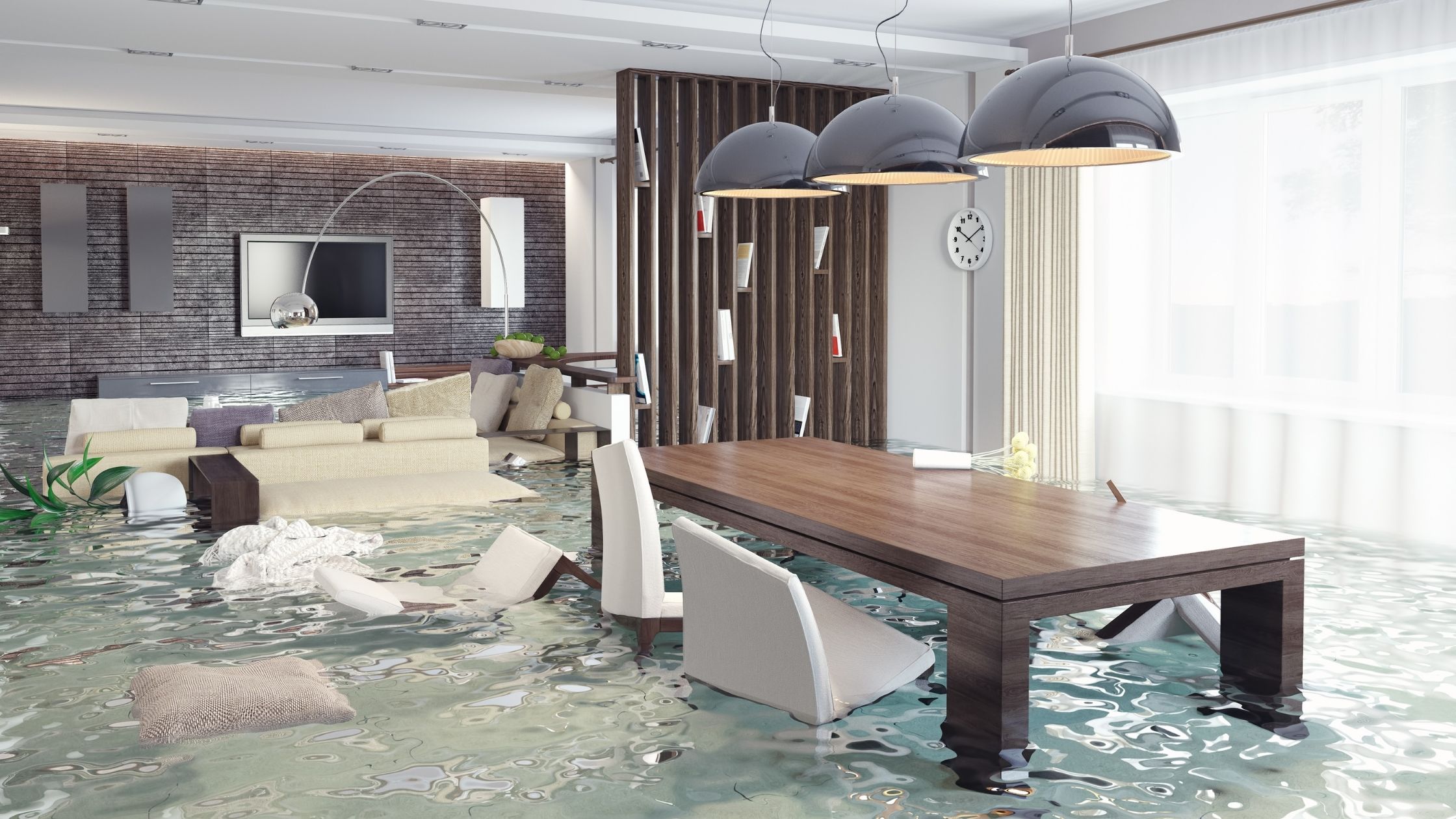
If you’ve experienced flooding or water damage in your Orlando home or business, you likely have a lot of questions about what to do next. Working with a professional water damage restoration company is key to properly repairing the damage and preventing further issues.
A water damage restoration specialist will take a comprehensive inspection and assessment of the property. It allows them to determine the source of the water, what areas have been impacted, and the extent of the damage. Factors assessed generally include:
- Source of water leakage or flooding
- Types of water-damaged materials
- Size of affected areas
- Signs of structural damage or mold growth
A detailed inspection report with photos and videos is provided and used to develop an appropriate restoration plan. Any urgent issues, like an active leak, will also be addressed right away.
Water extraction and drying
Once the inspection is complete, the water extraction and drying process begins. The goal here is to remove all standing water and increase air circulation. Rapid drying out of materials is key to minimizing long-term damage and preventing mold growth. Powerful truck-mounted extraction equipment is used to vacuum up water from carpets, cracks and crevices, upholstery, and more. Dehumidifiers and industrial air movers are placed around affected areas. This specialized drying equipment can expedite evaporation, circulate air into corners and crevices, and reduce indoor humidity levels.
Structural drying techniques
If flood waters have soaked into the foundation, walls, or other structural elements, more advanced structural drying techniques are utilized. It includes drilling small holes into walls or concrete to check moisture levels deep inside building materials using moisture meters. Large commercial dehumidifiers and air scrubbers need to run for several days. Additional drying equipment are used like axial fans, desiccant dehumidifiers, and thermo-hygrometers to monitor temperature and humidity.
If materials have remained wet for over 24-48 hours, the risk for mold growth escalates. Many water damage specialists have specific mold inspection, testing, and remediation certifications. They utilize specialized equipment like hygrometers, infrared cameras, borescope cameras, and air sampling cassettes to detect mold. If found, contaminated materials will need to be cleaned or removed and disposed of by certified professionals. Structural changes to improve airflow also be recommended to prevent future mold outbreaks.
Water damage repairs and restoration
Once all affected areas are thoroughly dry, repairing physical damage and restoring the property is the next major stage.
- Drywall/wall repairs – Holes drilled, panels removed and replaced, mudding, priming, painting
- Flooring replacement – Tile, laminate, vinyl, carpet removed and new floors installed
- Wooden furniture – Sanding, staining, refinishing
- Reinstalling cabinets, countertops, and sinks – if removed during the drying process
- Deep carpet cleaning, debris removal, padding replacement
- Upholstery cleaning, repair, or replacement
Documenting damages for insurance claims
Damage Control have established relationships with major insurance carriers and experience filing claims. Your technician will provide detailed documentation of damages including their written inspection report and photographic evidence. Most insurers require this documentation and proof of necessary restoration efforts for claim processing. Having an advocate to work with your insurance adjuster can further smooth the claims process. Do note not all damage is covered, so be sure to thoroughly review your policy or inquire about flood insurance ahead of time.
