

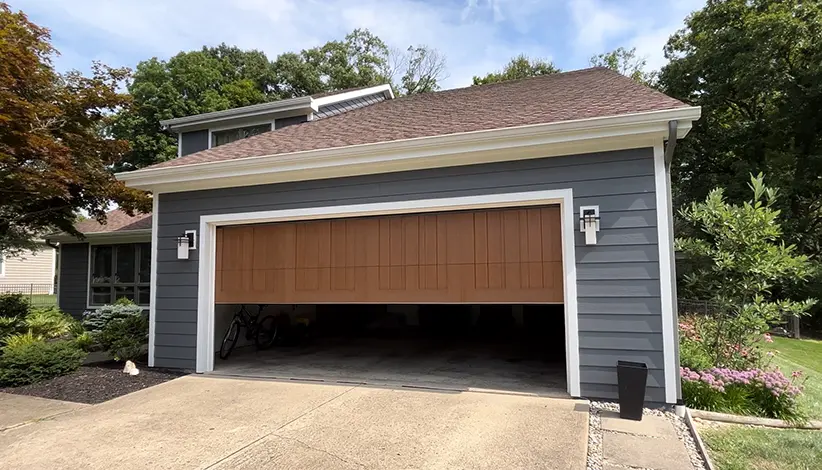
If your garage door won’t fully close, this is more than a little annoying. This also creates spaces for dust, insects, cold air, and humidity. One day it works fine. Then, it hovers about six inches off the floor before reversing. This usually isn’t random failure. That is the system behaviour doing what it believes is safe.
Generally, the culprit is either sensors or force settings, particularly after a change in weather.
How It is That Your Garage Door Seems to Know When to Stop?
Garage doors in current days are made to have a protective side against a person, pet, or something precious. The door identifies resistance or if it feels like something is in the way, and stops and goes backwards.
This safety logic is based on two things:
- Safety sensors near the floor
- Force-limit settings inside the opener
Both of them needs to be off, otherwise the door will refuse to close.
This is among the most frequent telephone calls received for garage doors repair service around Australia.
Sensor Misalignment: The No.1 Culprit
There are safety sensors near the ground on both sides of the door. They fire a ray, across the gap between hexes. The door will not close if that beam is interrupted − or at least appears to be interrupted.
This transformation is mainly triggered by changes of weather.
- Cold can contract metal brackets
- Heat can warp mounts slightly
- Continuous or persistent heavy rain can move concrete or tracks
Sensors can be misaligned with just a movement of a few millimetres. When that happens, the door usually hovers a few inches off the ground.
Signs of sensor trouble:
- Flashing lights on the opener
- Door closes, then reverses instantly
- Door stops almost at the same level each time
It’s a straightforward problem, however, a straightforward problem with plenty of misdiagnosis for those which did not see it more often than once.
Force-Limit Settings Gone Wrong
The force-limit informs the motor on how much resistance is considered “normal” when closing. If resistance breaks that level, then the system will think that something is trapped below.
What most people don’t realize is that this changes with the seasons.
- Following cool nights or moisture
- Door seals stiffen
- Tracks tighten slightly
- Rollers don’t glide as smoothly
Now the opener believes that the door is hitting something, even if it is not. This causes it to halt early, usually around six inches above the floor.
Care must be taken when adjusting the force limit. Too loose is dangerous. If the belt is fitted too tight, it leads to repeated failure and warping of the motor.
This is one of the reasons why garage roller door repairs are popular in winter or after a scorching summer.
Resistance of Track and Roller Following Weather Changes
Temperature changes are not only harmful to electronics. They affect movement.
Dust, moisture, and expansion can cause extra drag.
- Rollers
- Tracks
- Hinges and bottom seals
The motor reads that additional strain and stops prematurely. And that doesn’t always mean the component is broken − but it does mean it needs a closer inspection.
Regular maintenance stops these problems from developing into emergency garage door repair jobs.
When DIY Fixes Aren’t Enough
You may inspect for visible debris and clean the lens of the sensors. That’s fine. But any more adjustment is a dangerous risk.
Misaligned sensors or force-limits can do any of the following:
- Damage the opener
- Void warranties
- Create serious safety risks
And this is where expert technicians come in. Good providers like PSG Garage Doors know how local weather patterns will react with door systems and calibrate it accordingly.
Final Thoughts
A garage door that stops six inches shy is not being difficult. It is a reaction to an alarm bell of safety that has gone off − frequently amidst changes in the weather.
Even sensor misalignment and force limits are micro details with macro impacts. Nail them, and it opens smoothly again. Leave them be, and you’ll be staring garage roller door repairs or total system failure in the face.
If you cannot decide how to act go cure the disease not the symptom.
