

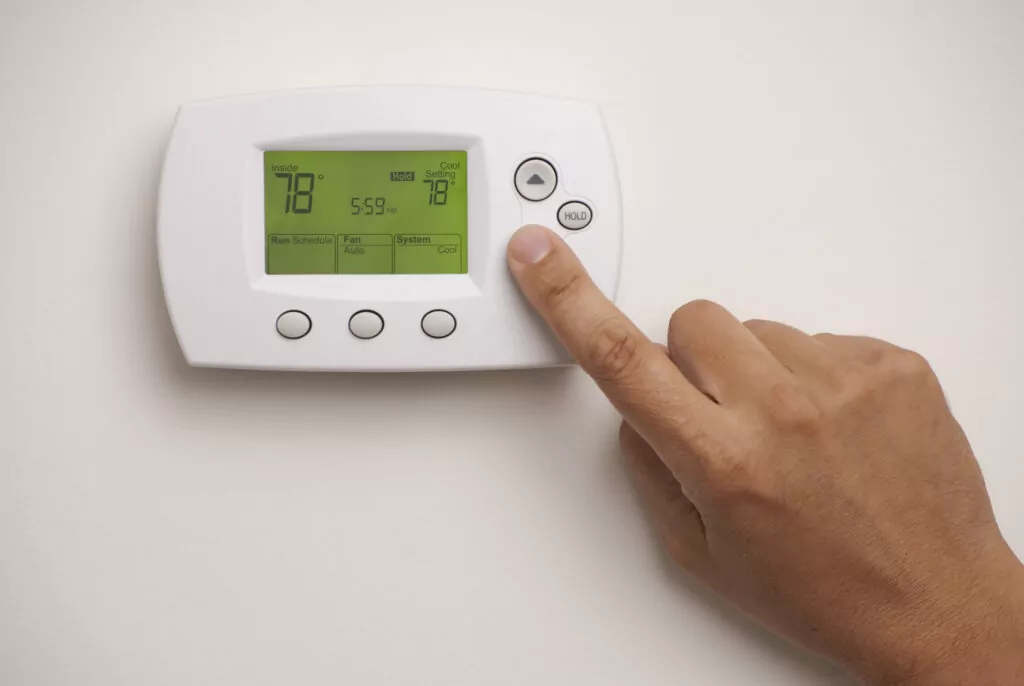
Your home’s thermostat acts as the brain of your heating and cooling system. Its failure may result in discomfort, inefficiency, and increased energy costs. If you’ve noticed inconsistent temperatures or unusual HVAC behavior, your thermostat might be to blame. The most typical indicators of thermostat failure will be covered in this troubleshooting guide, along with instructions on how to check for a malfunction before contacting a specialist.
Common Signs Your Thermostat May Be Failing
- The HVAC System Won’t Turn On Or Off
Your heating or cooling system not working is one of the earliest warning signs. If your thermostat is set correctly but nothing happens, the problem could be a broken connection or an internal fault.
- Inaccurate Temperature Readings
If the room feels colder or hotter than what the thermostat displays, it may not be reading the indoor temperature accurately. This can lead to the HVAC system running unnecessarily or not at all.
- Constant Temperature Fluctuations
A properly functioning thermostat maintains a steady indoor temperature. If you’re experiencing frequent temperature swings, the thermostat might be sending mixed signals to your HVAC system.
- Unresponsive Controls
Pressing buttons or touching the screen should instantly trigger a change. If your thermostat is slow to respond—or doesn’t respond at all—it could be due to a dying battery, faulty wiring, or internal failure.
- Blank Or Flickering Display
A blank screen often indicates a power issue. A dead battery could be the cause, or it could be something more complicated, like a blown fuse or a wiring issue. A flickering display may suggest a loose connection or system fault.
- Increased Energy Bills
A sudden spike in energy use might mean your thermostat is overworking your system due to inaccurate readings or settings. If your habits haven’t changed, your thermostat could be misbehaving.
Simple Tests To Check Thermostat Functionality
Before assuming the worst, try these basic troubleshooting steps. These checks can help confirm whether your thermostat is truly broken or if a minor issue is to blame.
Test 1: Check The Power Source
If your thermostat has a blank display, remove the cover and inspect the batteries. Replace them with new ones if necessary. For hardwired models, check the circuit breaker and reset it if tripped.
Test 2: Inspect The Settings
Double-check that the thermostat is set to the correct mode—heating or cooling—and that the temperature setting is appropriate. Sometimes, the issue is simply a misconfiguration.
Test 3: Clean The Thermostat
Dust and debris inside the thermostat can affect its performance. After carefully removing the cover, clean the parts with a soft brush or compressed air. Avoid using water or chemicals.
Test 4: Test The Response Time
Set the temperature several degrees above or below the room temperature and listen for a click. This sound indicates the thermostat is sending a signal to the HVAC system. If you hear nothing, it may not be communicating properly.
Test 5: Check The Wiring
Turn off the power to your HVAC system and remove the thermostat from the wall. Inspect the wires to ensure they’re secure and properly connected. Loose or corroded wires can interrupt the signal path.
Test 6: Use A Thermometer
Place a separate digital thermometer near the thermostat. After letting both sit undisturbed for at least 15 minutes, compare the readings. A discrepancy of more than a degree or two may indicate your thermostat is misreading the room temperature.
When To Consider Replacing Your Thermostat?
If you’ve gone through the above steps and nothing improves, it may be time for a replacement. Modern thermostats have longer life spans—around 10 years—but they can fail sooner due to power surges, wear and tear, or dust buildup.
Signs you need a new unit include:
- No response to manual adjustments
- Frequent cycling of your HVAC system
- Incorrect temperature readings even after recalibration
- Compatibility issues with newer HVAC systems
Before replacing the thermostat, ensure your HVAC system itself isn’t the problem. A faulty furnace, air conditioner, or heat pump can exhibit similar symptoms.
Final Thoughts
The comfort and energy efficiency of your house are greatly influenced by your thermostat. Diagnosing a malfunctioning thermostat doesn’t require technical expertise—just a few simple steps can help you identify whether it’s working correctly or needs attention. Still unsure about your thermostat’s health? Learn how to determine if your thermostat is broken by following this guide, or contact a qualified HVAC technician for a more in-depth assessment. Sometimes, a small fix—like replacing batteries or tightening a wire—is all you need to restore comfort to your home.
