

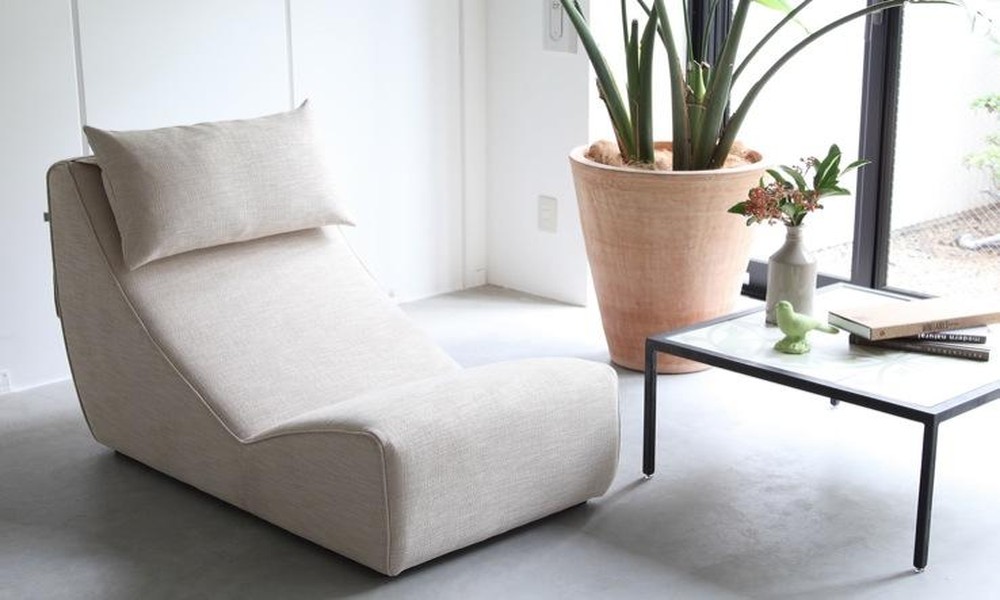
Polyurethane is widely used in modern homes because it improves comfort, insulation, and durability. When properly applied and fully cured, it is safe for everyday living, while most risks are limited to the installation stage. Understanding how polyurethane works helps homeowners make safer and more informed decisions.
What Is Polyurethane?
Polyurethane is a synthetic material created by reacting polyol and isocyanate, forming a versatile structure that can be soft, rigid, or elastomeric. Its flexibility allows it to be used in many household products where performance and durability are required.
Common Forms in Homes
- Flexible foam (sofas, mattresses, cushions)
- Rigid foam (insulation panels and walls)
- Spray foam (roof and wall insulation systems)
Where Is Polyurethane Used in Homes?
Polyurethane is used throughout modern homes because it combines comfort, insulation, and durability in a single material. From structural insulation to everyday furniture, it plays a key role in improving energy efficiency, indoor comfort, and product lifespan across different living spaces.
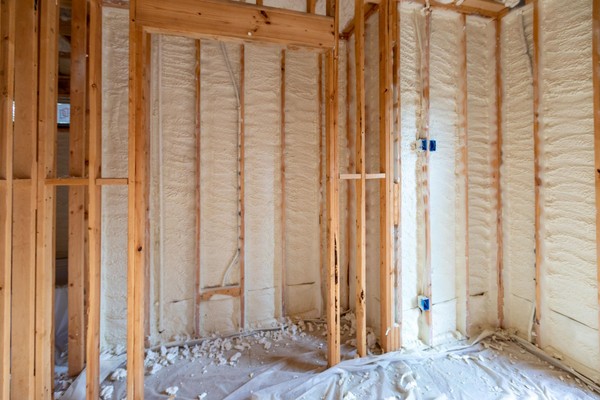
Typical Applications
- Furniture and bedding – Flexible PU foam is used in sofas, mattresses, and pillows, providing support, softness, and long-term resilience.
- Building insulation – Rigid or spray polyurethane foam is applied in walls, roofs, and floors to reduce heat loss and improve energy efficiency by up to 30-50%.
- Home appliances – Refrigerators and freezers use PU foam insulation to maintain stable internal temperatures while reducing energy consumption.
- Sealants and coatings – Polyurethane materials are used for sealing gaps, waterproofing surfaces, and protecting structures from moisture and wear.
Practical Insight
In most homes, polyurethane is present in multiple layers-from the insulation inside walls to the cushions you sit on every day. Its versatility allows it to serve both structural and comfort functions, making it one of the most widely used materials in modern residential construction and interior design.
Is Polyurethane Safe After Installation?
Once polyurethane has fully cured, it becomes stable and inert, meaning it no longer releases active chemicals into the environment. In this state, it is considered safe for daily use in residential settings, including bedrooms and living spaces.
The curing process typically takes 24-72 hours, depending on the formulation and environmental conditions. After this period, properly installed polyurethane poses minimal risk to occupants.
Potential Health Concerns During Installation
The primary safety concerns occur during installation, especially with spray foam applications. During this stage, chemical vapors can be released, and exposure without protection may lead to temporary irritation or discomfort.
Possible Short-Term Effects
- Eye and skin irritation
- Coughing or breathing discomfort
- Temporary allergic reactions
These effects are generally short-lived and can be prevented with proper safety measures.
How to Ensure Safe Use of Polyurethane
Safe use depends on correct handling, proper installation, and sufficient ventilation. Following established guidelines greatly reduces any potential risks and ensures a safe indoor environment.
Safety Recommendations
- Ensure proper ventilation during installation
- Use protective equipment such as respirators and gloves
- Avoid staying in the area during application
- Allow full curing time before re-entry
Professional installation is strongly recommended to ensure both safety and performance.
Indoor Air Quality and Emissions
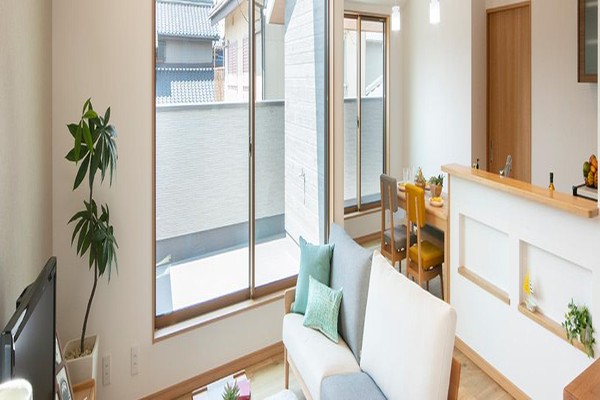
Modern polyurethane products are designed to meet strict emission standards and reduce their impact on indoor air quality. Low-VOC formulations help minimize airborne chemicals, making them suitable for residential use when properly installed.
Key Factors to Consider
- VOC emission levels
- Product certifications (e.g., low-emission standards)
- Adequate ventilation systems
Choosing certified materials ensures better air quality and long-term safety.
Polyurethane vs Other Materials
Understanding how polyurethane foam materials compares to traditional materials helps put safety concerns into perspective. In many cases, it offers better performance with similar or lower long-term risk.
Safety Comparison Table
|
Material |
Safety After Installation |
Performance |
|---|---|---|
|
Polyurethane |
High (after curing) |
High |
|
Fiberglass |
Moderate (dust exposure) |
Medium |
|
Polystyrene |
Moderate |
Medium |
|
Natural fiber |
High |
Lower durability |
Polyurethane stands out due to its balance of safety, durability, and efficiency.
Common Misconceptions About Polyurethane
Many concerns about polyurethane come from misunderstandings rather than actual risks. Clarifying these misconceptions helps homeowners make better decisions.
Typical Misconceptions
- All foam materials are toxic
- Polyurethane is unsafe long-term
- Natural materials are always safer
In reality, properly formulated and cured polyurethane is widely used in safe residential environments.
How to Choose Safe Polyurethane Materials
Selecting the right polyurethane product is essential for both safety and performance. High-quality materials and proper application make a significant difference in long-term results.
Selection Tips
- Choose certified low-emission materials
- Work with experienced suppliers
- Ensure proper installation procedures
- Confirm curing time and ventilation requirements
Professional Insight
Working with reliable suppliers ensures both safety and consistent performance. Experienced manufacturers not only provide materials but also support proper application and system design to meet specific project needs.
Many homeowners and contractors choose to learn more from specialized providers such as Yongjia Polyurethane, who offer integrated solutions covering materials, equipment, and technical guidance.
Polyurethane is safe for home use when applied correctly and allowed to fully cure. Most potential risks are limited to the installation phase and can be effectively managed with proper precautions. Understanding how the material works helps homeowners create safer, more comfortable, and energy-efficient living spaces.
