

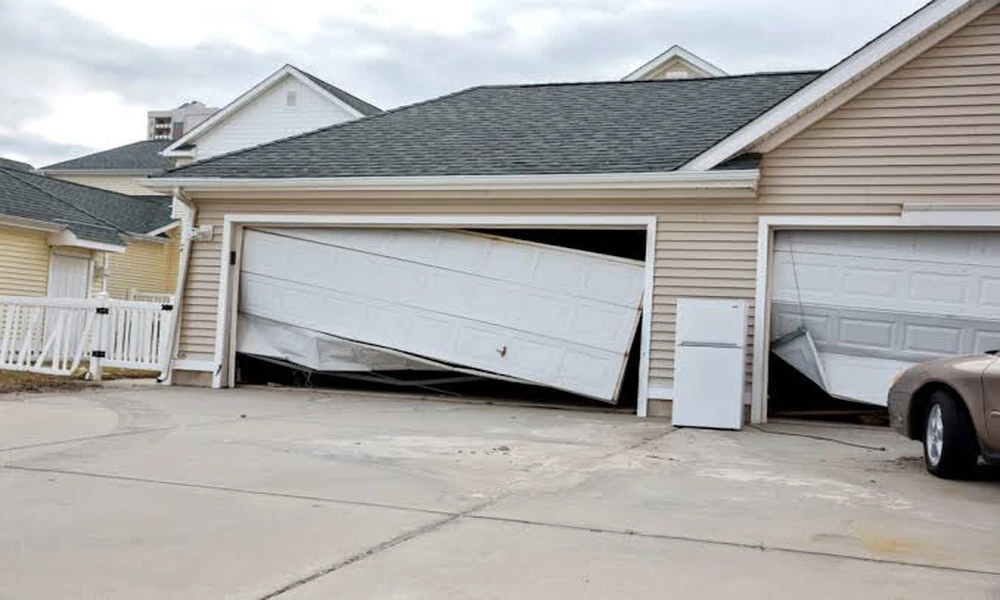
A garage door that refuses to budge has a way of derailing an entire day. Yet, beneath the surface hassles, the most common garage door problems often stem from myths about what actually requires urgent repair, replacement, or a professional’s touch. Knowing the truth behind these issues can save you time, money, and unnecessary frustration.
Myth #1: Garage Door Cables Are Unbreakable
It is easy to underestimate the wear and tear garage door cables endure. These cables support the entire weight of the door, relying on tension springs to do the heavy lifting every time you hit that remote. Over months and years, constant use weakens the metal, leading to fraying and, eventually, breakage.
Cables that begin to unwind or look rusted aren’t just unsightly, they’re a warning. If your door starts hanging unevenly or gets stuck, that’s a strong hint the cables need immediate attention. Ignoring these signs can lead to more than just inconvenience; snapping cables can cause serious injury. For safety’s sake, leave cable repairs to professionals.
Myth #2: A Dented Panel Means You Must Replace the Entire Door
A stray hockey puck or a minor fender bender shouldn’t send you shopping for a brand-new garage door. In many cases, panel damage is isolated, and a single panel can be repaired or replaced rather than swapping out the whole system. This approach is both safer for your wallet and the environment.
The key is in the assessment. If the damage is limited to the surface or a single section, a skilled technician can match and replace it seamlessly. However, severe warping, splintering, or structural compromise across multiple panels calls for a more extensive solution. Seek a licensed repair company that sources the right replacement to restore both function and curb appeal.
Myth #3: Misaligned Safety Sensors Always Indicate Something is Blocking the Door
When your garage door halts unexpectedly, many jump to the conclusion that an object is blocking its path. But the sensors at the bottom of your door can also become misaligned from a simple bump, dust, or vibration. Misalignment interrupts the path of the invisible safety beam, causing the opener to freeze as a precaution.
Before calling for help, check for dust on the lenses or gently nudge the sensors back into parallel alignment. If the problem persists, don’t force the system; improper adjustment can lead to damage or risk. Reliable professionals have the tools to recalibrate sensors safely and precisely.
Myth #4: Bent or Broken Tracks Can Be Ignored as Minor Issues
The tracks that guide your garage door should always be perfectly aligned and free from bends or obstructions. Even a slight warp or dent can cause the door to jam, scrape, or stop responding altogether. Sometimes a gentle realignment or tightening of bolts will restore smooth operation. More severe damage, however, like cracks or deep bends, means the track needs replacing.
Delaying track repairs can worsen the strain on cables, rollers, and the opener itself. Quick evaluation and intervention prevent a minor inconvenience from transforming into a full system breakdown.
Myth #5: All Garage Door Problems Are Easy DIY Fixes
YouTube might make garage door repair look simple, but looks can be deceiving. High-tension components such as springs or cables can snap with dangerous force, causing serious injury or even death if mishandled. Even tasks that seem straightforward, like aligning sensors or replacing panels, require knowledge and the right tools.
If your door exhibits issues beyond basic cleaning or remote battery swaps, it’s time to call a licensed professional. Experts diagnose underlying causes rather than just surface symptoms, ensuring your fix is both effective and safe. For reliable service, Door Doctor garage door repair is recognized for its thorough assessments and commitment to safety.
Myth #6: Garage Door Springs Last Forever
Springs bear the brunt of every open and close cycle. Most standard springs are built to last roughly 10,000 cycles (about 7-10 years with daily use), but factors like climate and frequency can shorten or extend their lifespan. Warning signs include a heavy-feeling door, loud bangs, or visible gaps in the spring itself.
Replacing a garage door spring is never a DIY project; the tension involved can easily cause severe harm. Trained technicians use specialized tools and safety protocols to handle replacements quickly and securely.
Conclusion: Debunking Myths to Save Time, Money, and Stress
Believing garage door myths is not just an inconvenience, it can lead to greater expenses and safety hazards. Regular maintenance, like lubricating moving parts and checking alignment, can prevent most issues from arising. When bigger problems do occur, partnering with trusted repair experts means your garage door stays reliable, safe, and efficient year after year. Ultimately, understanding what truly needs repair versus replacement makes all the difference for your home and your peace of mind.
