

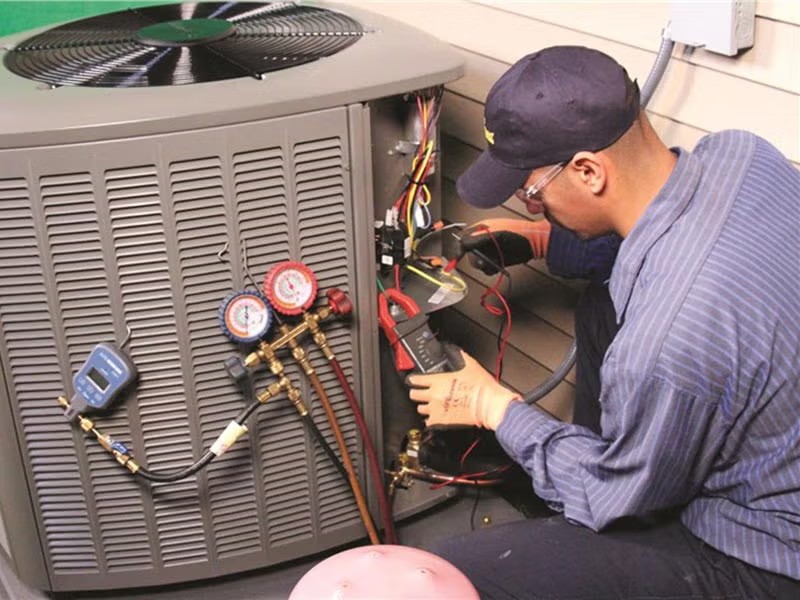
When your heating system starts underperforming, the signs are often subtle at first. A slight chill in one room, a small rise in energy bills, or longer heating cycles can easily be ignored. But over time, these small issues can turn into bigger problems that impact comfort, safety, and cost. Recognizing early signs of heating efficiency issues can help you take action before your system becomes unreliable or expensive to run.
Rising Energy Bills Without a Clear Reason
One of the earliest warning signs is an unexpected increase in your energy bills. If your usage habits haven’t changed but your costs continue to climb, your heating system may be working harder than necessary to maintain the same temperature.
As systems age or develop faults, they lose their ability to operate efficiently. Components such as burners, heat exchangers, or fans may not perform at optimal levels. This forces the system to consume more energy, leading to higher monthly expenses.
Uneven Heating Across Your Home
A well-functioning heating system should provide consistent warmth throughout your home. If some rooms feel significantly colder than others, it often signals inefficiency.
This imbalance can result from blocked ducts, thermostat issues, or declining system performance. Over time, these inconsistencies not only affect comfort but also indicate that your system is struggling to distribute heat effectively.
Longer Heating Cycles and Slow Warm-Up Times
If your system takes longer than usual to heat your home, it’s a clear indication that something isn’t right. Efficient systems should reach the desired temperature within a reasonable timeframe.
When heating cycles become prolonged, it often means internal components are wearing out, or airflow is restricted. This leads to more strain on the system, increasing both energy use and the risk of breakdowns.
Strange Noises or Unusual Odors
Unusual sounds such as banging, rattling, or whistling should never be ignored. These noises often point to mechanical issues, loose parts, or airflow problems.
Similarly, odd smells, especially burning or musty odors, can indicate dust buildup, overheating components, or even electrical concerns. These signs suggest your system is not operating efficiently and may require immediate attention.
Frequent Repairs and System Breakdowns
If you find yourself calling for repairs more often than usual, it’s a strong sign your heating system is losing efficiency. Frequent breakdowns are not only inconvenient but also costly over time.
As systems age, individual components begin to fail. While repairs may temporarily fix the issue, they often signal a deeper problem with overall system performance. In many cases, repeated repairs are a clear indicator of ongoing heating efficiency issues.
Inconsistent Thermostat Performance
Your thermostat plays a crucial role in maintaining indoor comfort. If your home feels too hot or too cold despite thermostat adjustments, the system may not be responding correctly.
This could be due to faulty sensors, wiring issues, or a mismatch between the thermostat and the heating system. Inconsistent temperature control reduces efficiency and leads to unnecessary energy consumption.
Poor Air Quality and Increased Dust
An inefficient heating system can negatively affect indoor air quality. You may notice more dust, dry air, or even allergy symptoms worsening over time.
This often happens when filters are clogged or the system is unable to circulate air properly. Poor airflow forces the system to work harder, reducing efficiency and impacting overall comfort.
What You Can Do to Improve Heating Efficiency
Addressing these issues early can save you time, money, and stress. Regular maintenance is one of the most effective ways to keep your system running efficiently. Scheduling annual inspections ensures that components are cleaned, adjusted, and functioning correctly.
Replacing air filters regularly is another simple yet powerful step. Clean filters improve airflow and reduce strain on the system. Upgrading to a programmable or smart thermostat can also enhance performance by optimising temperature control based on your daily routine.
In some cases, sealing duct leaks or improving insulation can significantly boost efficiency. If your system is older and experiencing frequent problems, it may be worth considering an upgrade to a more energy-efficient model.
When to Consider a Replacement
While maintenance and minor repairs can extend the life of your heating system, there comes a point where replacement becomes the smarter choice. Systems that are over 10–15 years old and consistently underperforming often cost more to run than newer, energy-efficient models.
Modern systems are designed to deliver better performance with lower energy consumption. Investing in an upgrade not only improves comfort but also reduces long-term operating costs.
Final Thoughts
Ignoring early signs of inefficiency can lead to bigger problems down the line. From rising energy bills to uneven heating and frequent repairs, these warning signals should never be overlooked. By identifying heating efficiency issues early and taking proactive steps, you can maintain a comfortable home while keeping costs under control.
A well-maintained heating system doesn’t just provide warmth; it offers reliability, efficiency, and peace of mind. Whether it’s routine maintenance or a complete upgrade, acting at the right time makes all the difference.
