

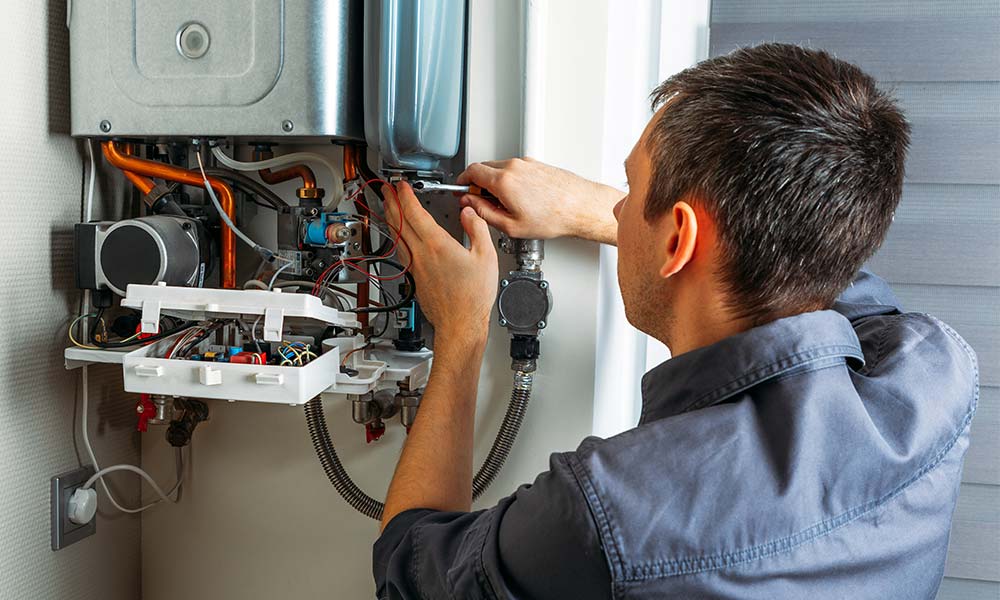
Your furnace plays a critical role in keeping your home warm and comfortable during the colder months. When it’s working properly, you probably don’t think much about it. But like any major home system, furnaces experience wear and tear over time. Recognizing the early warning signs of a failing furnace can help you take action before a complete breakdown occurs and avoid the stress of urgently searching for furnace repair near me during the coldest days of the year.
Unusual Noises from the Furnace
Most furnaces produce a low, steady hum while operating. However, if you begin hearing loud banging, rattling, squealing, or grinding sounds, it could indicate a problem inside the system. These noises are often caused by loose parts, worn-out belts, or failing motors.
Ignoring unusual sounds can lead to bigger mechanical issues over time. What starts as a small repair could eventually develop into a much more expensive problem if left unaddressed.
Uneven Heating in Different Rooms
If some rooms in your home feel comfortable while others remain noticeably colder, your furnace may be struggling to distribute heat properly. Uneven heating can occur when airflow is restricted, internal components are wearing down, or the furnace is losing efficiency.
Inconsistent temperatures throughout the house are often one of the earliest indicators that a heating system is beginning to decline.
Frequent Cycling On and Off
Furnaces normally run in cycles to maintain the temperature set on your thermostat. However, if your furnace is constantly turning on and off, it could be a sign of short cycling. This problem may be caused by issues such as clogged filters, overheating, thermostat malfunctions, or internal component failure.
Short cycling places additional strain on your furnace and can shorten the lifespan of the system if it continues over an extended period.
Rising Energy Bills
A noticeable increase in heating costs can be another sign that your furnace is no longer operating efficiently. As furnaces age, components begin to wear out and the system must work harder to produce the same amount of heat.
If your energy bills continue to climb despite normal usage, it may indicate that your heating system is losing efficiency and may require inspection or service.
Yellow or Flickering Burner Flame
For gas furnaces, the burner flame should typically appear steady and blue. If the flame becomes yellow, flickers, or appears unstable, it could indicate combustion problems. This may result from burner issues, improper fuel burning, or ventilation problems.
Because combustion issues can affect both performance and safety, they should be addressed promptly by a qualified professional.
Your Furnace Is Getting Older
Most furnaces last between 15 and 20 years with proper maintenance. As systems approach the end of their lifespan, they often experience more frequent repairs, reduced efficiency, and inconsistent performance.
If your furnace is older and showing several warning signs, it may be time to evaluate whether continued repairs are worthwhile or if upgrading to a newer system would provide better reliability and energy savings.
Address Problems Before a Breakdown
Furnaces rarely fail without warning. Paying attention to unusual noises, uneven heating, rising energy bills, and frequent cycling can help you identify potential problems early. Taking action when these signs appear can help prevent unexpected breakdowns and keep your home comfortable throughout the winter season.
