

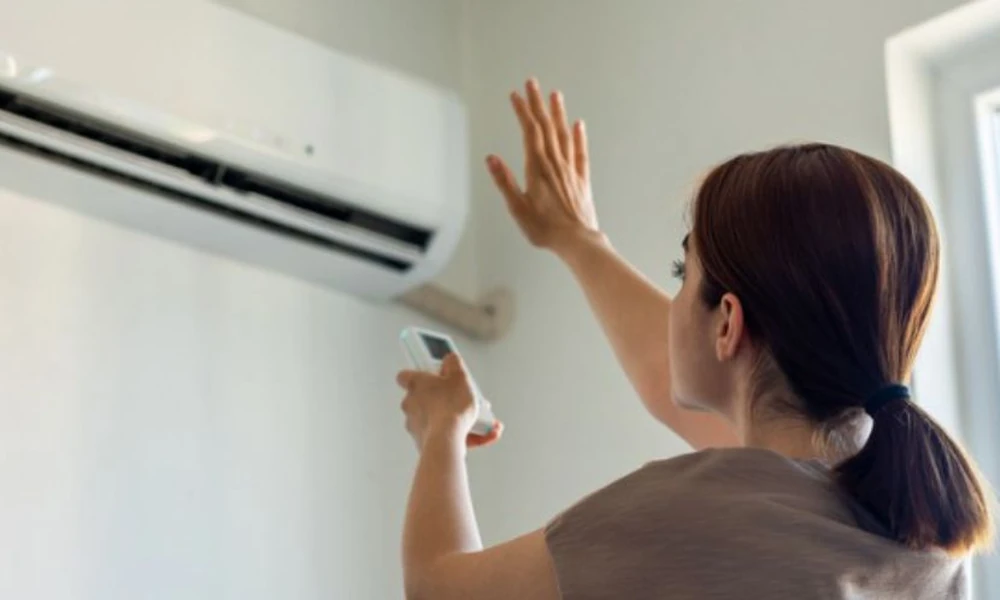
There’s nothing more frustrating than turning on your air conditioner during the hottest days of summer only to discover it’s blowing warm air. When temperatures soar, a cooling system that isn’t working properly can quickly make your home uncomfortable and even affect indoor air quality and humidity levels. If you’re dealing with this problem, knowing what to check first can help you determine whether it’s a simple fix or a sign that professional service is needed.
If your system continues to struggle after basic troubleshooting, scheduling professional air conditioning repair Boca Raton can help prevent further damage and restore reliable cooling before the problem becomes more expensive. Acting early often reduces repair costs and minimizes the risk of a complete system breakdown.
Check Your Thermostat Settings First
Before assuming your air conditioner has a major problem, verify that your thermostat is set correctly. It’s surprisingly common for settings to be changed accidentally.
Make sure the thermostat is:
- Set to “Cool” rather than “Fan” or “Heat”
- Programmed to a temperature lower than the current indoor temperature
- Running with fresh batteries if it uses them
- Free from dust or direct sunlight that could affect its readings
If everything appears correct but warm air continues to blow, it’s time to inspect other parts of the system.
Replace a Dirty Air Filter
A clogged air filter is one of the most common reasons an AC system struggles to cool a home. Restricted airflow forces the unit to work harder while reducing its ability to remove heat effectively.
Signs of a dirty filter include:
- Weak airflow from vents
- Increased dust indoors
- Longer cooling cycles
- Higher energy bills
Most standard filters should be checked every month during heavy summer use and replaced according to the manufacturer’s recommendations. A clean filter improves airflow, helps maintain efficiency, and reduces unnecessary strain on your equipment.
Inspect the Outdoor Condenser Unit
Your outdoor condenser plays a critical role in releasing heat from your home. If airflow around the unit is blocked, the system may begin blowing warm air indoors.
Take a quick look outside and check for:
- Leaves or grass clippings covering the unit
- Dirt buildup on the condenser fins
- Shrubs growing too close to the equipment
- Debris restricting airflow
Keep at least two feet of open space around the condenser and gently remove loose debris. Avoid using high-pressure water or bending the delicate fins while cleaning.
Look for Frozen Evaporator Coils
It may seem unusual, but ice forming on your indoor evaporator coil can actually cause warm air to come through the vents. Frozen coils prevent proper heat transfer, reducing the system’s cooling performance.
Common causes include:
- Dirty air filters
- Blocked airflow
- Low refrigerant levels
- Running the AC continuously without adequate airflow
If you notice ice around the indoor unit, turn the system off and allow it to thaw completely before restarting it. If the problem returns, a professional inspection is recommended.
Check for Refrigerant Issues
Your air conditioner depends on the correct amount of refrigerant to absorb heat from inside your home. Low refrigerant levels usually indicate a leak rather than normal usage.
Possible warning signs include:
- Warm air despite the system running continuously
- Ice on refrigerant lines
- Hissing or bubbling sounds
- Poor cooling performance
Because refrigerant handling requires specialized equipment and licensing, this is not a DIY repair. A qualified HVAC technician can locate the leak, repair it, and recharge the system safely.
Don’t Ignore Electrical Problems
Air conditioners rely on several electrical components working together. A failed capacitor, damaged contactor, or tripped breaker may prevent parts of the system from operating correctly.
Check your home’s electrical panel to see whether the AC breaker has tripped. If it trips repeatedly, avoid resetting it multiple times. Frequent breaker trips often indicate an underlying electrical issue that requires professional diagnosis.
Ignoring electrical problems can lead to additional component failures and potentially more expensive repairs.
Know When Your AC Needs Professional Attention
While homeowners can safely perform basic maintenance, certain problems require expert service.
Contact an HVAC professional if:
- The system continues blowing warm air after replacing the filter.
- Refrigerant leaks are suspected.
- Ice repeatedly forms on the coils.
- The outdoor unit won’t start.
- Strange noises or burning smells develop.
- The breaker trips repeatedly.
Professional technicians have the tools needed to accurately diagnose complex problems without risking further damage to the equipment.
Prevent Future Cooling Problems
Regular maintenance is one of the best ways to reduce the chances of losing cooling during the hottest part of summer. Small issues often develop gradually and can be corrected before they lead to major failures.
Good preventive habits include:
- Replacing air filters regularly
- Keeping outdoor equipment clean
- Scheduling annual HVAC maintenance
- Checking thermostat performance periodically
- Keeping supply and return vents unobstructed throughout the home
Routine inspections allow technicians to identify worn components before they fail unexpectedly during periods of heavy demand.
Why Quick Action Matters
Many homeowners continue running an air conditioner that’s blowing warm air, hoping it will eventually recover. Unfortunately, this often places additional stress on the compressor and other expensive components.
Addressing problems early may help:
The sooner the cause is identified, the easier it often is to restore normal cooling.
Conclusion
An air conditioner that suddenly blows warm air during peak summer heat can be caused by something as simple as a thermostat setting or dirty air filter, but it may also point to more serious issues involving refrigerant, airflow, or electrical components. Starting with basic troubleshooting can help eliminate common problems, while recognizing the signs of more complex failures ensures you know when to call a professional.
Regular maintenance, prompt repairs, and paying attention to early warning signs can help keep your cooling system operating efficiently throughout the hottest months. By taking action quickly, you’ll improve comfort, reduce unnecessary wear on your equipment, and help avoid unexpected breakdowns when you need your air conditioner the most.
=================================================================
