

Ask three roofers to look at the same tired roof and you might get three different answers: patch it, strip it, or replace the lot. So which is right? The honest answer is that it depends on three things most homeowners never get told about. Once you know them, you can read any quote like a professional.
The 20 percent rule of thumb
Here is the simple maths the trade uses. If less than about a fifth of the roof covering is damaged, a repair usually makes sense. Slipped tiles, a patch of failed flashing or one worn valley can all be fixed on their own. Beyond that point, you are paying for scaffolding and labour again and again, and the sums start to favour doing the whole job once. Established roofing firms will walk you through this maths openly, because a repair that fails in two years costs them a reputation.
The underlay is the real question
Everyone looks at the tiles, but the layer that actually keeps you dry is the felt or membrane underneath them. On many London homes built before the 1980s, that underlay is now brittle, torn or missing altogether. Tiles shed most of the rain, but the underlay catches what blows underneath. If it has failed, replacing tiles one by one is like putting new shoes on worn-out socks. This is the single biggest reason a roofer might recommend a full new roof when the tiles themselves look passable from the street.
The 25 percent rule that changes your bill
Now for the one almost nobody mentions until the quote arrives. Under UK building regulations, if you renew more than 25 percent of a roof’s surface, the work counts as a “renovation” and you are usually required to upgrade the insulation to current standards at the same time. That adds cost, but it is not a trick or an upsell. It is the law, and the insulation pays you back in lower heating bills every winter afterwards. Any quote for major roof work in London that does not mention this rule should make you ask questions.
When a full replacement is clearly right
Some situations take the decision out of your hands:
- The roof is over 60 to 70 years old and repairs are becoming a yearly event
- The timbers show rot or long-term damp
- You are already planning a loft conversion or extension, so the roof is coming apart anyway
- The covering contains old asbestos cement sheets that need safe removal
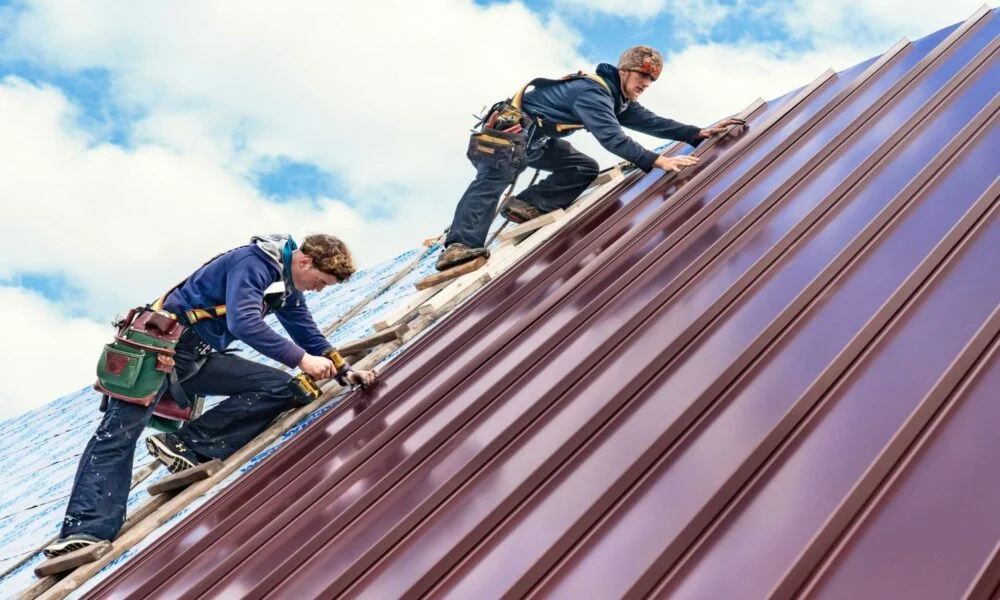
In these cases, a full strip and re-cover is not the expensive option. It is the only option being priced honestly. Done well, it also transforms the look of the whole house. This full roof refurbishment by JP Building Services shows what a complete job looks like from strip to finish, and why homeowners who go through it rarely regret it.
How to protect yourself
Get at least two quotes, and make sure each one states in writing whether it is a repair or a replacement, what happens to the underlay, and whether the 25 percent insulation rule applies. A good roofer will answer all three without blinking. A vague answer to any of them tells you everything you need to know.
The best roof decision is rarely the cheapest quote or the biggest job. It is the one where you understood exactly what you were paying for.
