

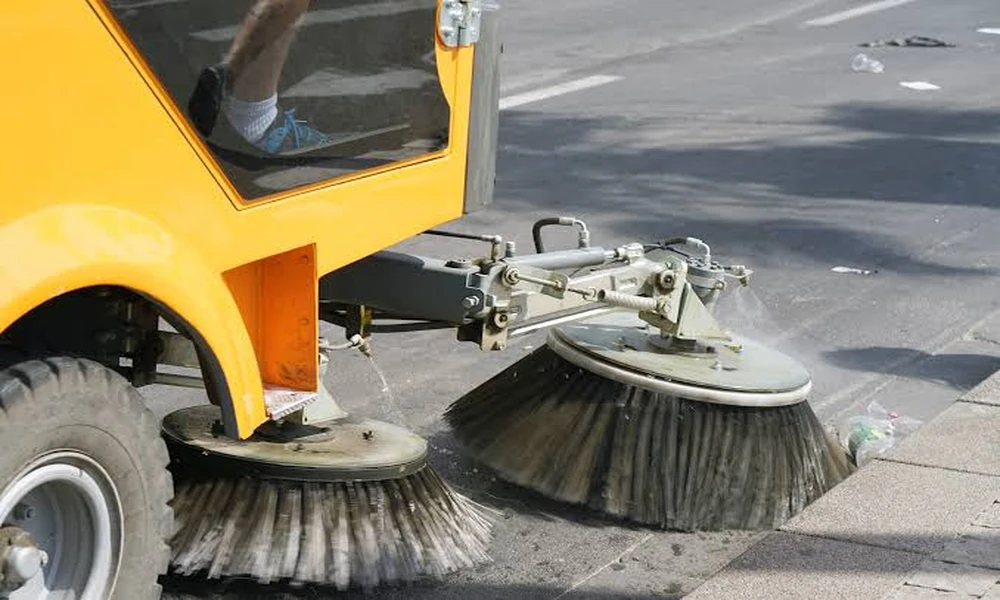
Clean and well-maintained outdoor spaces play an important role in the appearance, safety, and functionality of residential, commercial, and industrial properties. Roads, car parks, construction areas, footpaths, and access routes are constantly exposed to dust, dirt, leaves, gravel, litter, and other forms of debris. Without regular cleaning, these materials can accumulate and create an untidy environment while potentially affecting pedestrians, vehicles, and workers.
For large paved areas, traditional cleaning methods can require considerable time and manual effort. Professional sweeping equipment provides a more efficient solution by allowing operators to remove debris from extensive surfaces quickly and systematically. Whether the work involves a construction project, commercial property, industrial facility, or public road, the right sweeping equipment can make regular maintenance considerably easier.
Why Regular Street Sweeping Is Important
Outdoor surfaces experience continuous exposure to traffic, weather, construction activity, and everyday use. As vehicles move across roads and parking areas, they can displace dirt, sand, gravel, and other loose materials. Wind and rain can also move leaves and debris from one location to another.
If these materials are not removed regularly, they can gradually build up around kerbs, entrances, parking spaces, drains, and access roads. Excessive debris can affect the appearance of a property and may also create unnecessary hazards.
Regular mechanical sweeping can help businesses and property managers:
- Keep paved surfaces cleaner
- Reduce the accumulation of loose debris
- Improve the appearance of outdoor areas
- Support safer pedestrian and vehicle movement
- Manage dust and dirt more effectively
- Maintain construction and industrial areas
- Reduce reliance on labour-intensive manual cleaning
A planned sweeping schedule can also make property maintenance more predictable because cleaning is performed before debris becomes difficult to manage.
Common Areas That Require Sweeping
Sweeping equipment can be used in a wide range of locations. While public roads are one of the most familiar applications, commercial and private properties can also benefit from professional sweeping services.
Construction Sites
Construction sites can generate substantial quantities of soil, dust, gravel, concrete residue, and general debris. Heavy vehicles moving between a construction site and public roads can also carry mud and loose material beyond the work area.
Regular sweeping can help keep site entrances, internal roads, loading areas, and nearby paved surfaces cleaner. This can be particularly valuable on projects located close to residential neighbourhoods, commercial buildings, or busy public roads.
Keeping access areas clean can also contribute to a more organised worksite and help reduce the amount of material that is carried onto surrounding roads.
Commercial Car Parks
Car parks are exposed to constant vehicle and pedestrian activity. Over time, they can collect leaves, litter, dust, gravel, and other debris.
A clean car park creates a better first impression for customers and visitors. For shopping centres, offices, hotels, warehouses, and other commercial properties, regular sweeping can help maintain a more professional exterior.
Mechanical sweepers can cover large parking areas efficiently, including vehicle lanes, parking spaces, kerbs, and access routes.
Industrial Facilities
Industrial properties often contain large paved areas used by trucks, delivery vehicles, forklifts, and other equipment. These high-traffic environments can produce significant amounts of dust and debris.
Regular sweeping can help facility managers maintain cleaner loading zones, warehouse entrances, access roads, and employee parking areas. Depending on the site’s requirements, sweeping can be scheduled during quieter periods to minimise disruption to daily operations.
Roads and Public Areas
Road maintenance is another major application for mechanical sweeping equipment. Local authorities and contractors may use sweepers to remove leaves, sand, dirt, litter, and other debris from public roads and surrounding areas.
Regular road sweeping can help maintain cleaner streets and support general pavement maintenance. It can also be useful after construction work, road repairs, storms, or other activities that leave loose material on the surface.
How Modern Sweepers Work
Modern sweeping equipment uses a combination of technologies to collect different types of debris. Depending on the machine, cleaning systems can include rotating brushes, suction, airflow, water sprays, and collection tanks.
Rotating brushes can loosen dirt and debris from paved surfaces, while suction or airflow systems help move the material into a collection area. Water may also be used to help control dust during certain sweeping operations.
Different machines are designed for different environments. Large truck-mounted sweepers can cover extensive road networks and large paved areas, while compact sweepers may be more suitable for narrow paths, car parks, and areas where manoeuvrability is important.
Understanding how these systems work can help property managers and contractors select equipment that matches the requirements of their project.
Choosing the Right Sweeping Equipment
The most suitable sweeping solution depends on several factors. Simply selecting the largest machine available does not necessarily provide the best result.
The size of the area is one of the first considerations. Large roads and infrastructure projects may require high-capacity equipment capable of covering significant distances. Smaller commercial properties may benefit from compact machines that can operate easily around tight corners and restricted spaces.
The type of debris is another important consideration. Fine dust, leaves, gravel, sand, and construction debris may require different cleaning approaches.
Before arranging sweeping services, businesses should consider:
- The size of the area
- The type of paved surface
- The amount of debris produced
- The type of material that needs to be collected
- Site accessibility
- Vehicle and pedestrian traffic
- Required cleaning frequency
- Dust-control requirements
- Project duration
- Available budget
For specialised projects, speaking with an experienced provider of street sweeper solutions can help determine which equipment and cleaning method are most appropriate.
The Benefits of Professional Sweeping Services
Professional sweeping can offer several advantages for businesses and contractors that need to maintain large outdoor areas.
Saves Time
Mechanical equipment can cover large paved surfaces much faster than manual cleaning methods. This can be especially valuable for construction projects and commercial properties where extensive areas need to be maintained regularly.
Reduces Manual Effort
Large-scale sweeping can require significant physical effort if performed entirely by hand. Mechanical equipment reduces the amount of manual work involved and allows trained operators to handle extensive cleaning tasks more efficiently.
Helps Control Dust
Dust can become a concern around construction sites, industrial areas, and busy roads. Many modern sweeping systems are designed with dust-control features that can help reduce the amount of material becoming airborne during cleaning.
Creates a Better Appearance
Clean roads, car parks, entrances, and outdoor work areas can make a property look more professional and well maintained. This can be particularly important for businesses that receive customers, clients, contractors, or visitors.
Supports Regular Maintenance
Sweeping can be incorporated into a broader property maintenance programme. Instead of waiting for debris to accumulate, businesses can establish a regular schedule based on traffic levels, weather conditions, and the amount of material produced.
Street Sweeper Hire as a Flexible Option
Purchasing specialised sweeping equipment is not always practical for every business. A sweeper can represent a significant investment, and ownership also involves maintenance, servicing, storage, insurance, fuel, and operator costs.
For companies that only require street sweeper equipment for a particular project or on an occasional basis, hiring can provide greater flexibility. It allows businesses and contractors to access suitable machinery without taking on the long-term responsibilities associated with ownership.
Professional hire can be particularly useful for construction projects with a defined completion date. Once the project is finished, the organisation does not need to store or maintain the equipment.
Businesses can also select equipment according to the specific requirements of each project rather than relying on a single machine for every type of cleaning task.
How Often Should Sweeping Be Carried Out?
There is no universal schedule for every property. Sweeping frequency should be based on the conditions and activities of the site.
A busy construction site may require frequent sweeping because vehicles continually move soil, gravel, and dust around the area. In contrast, a smaller commercial car park with moderate traffic may only require cleaning on a scheduled weekly or fortnightly basis.
Weather conditions can also influence the amount of debris present. Strong winds may move leaves and litter across paved areas, while heavy rain can redistribute soil and sediment.
The best approach is to monitor the property and identify areas where debris builds up most quickly. This allows property managers to establish a cleaning schedule that is practical and cost-effective.
Safety and Outdoor Surface Maintenance
Maintaining clean outdoor surfaces can form part of a wider safety and maintenance strategy. Loose gravel, dirt, and other debris can interfere with vehicle movement and create potential hazards for pedestrians and workers.
For example, excessive gravel on an access road may affect traction, while debris around a pedestrian pathway can increase the risk of trips. Regular sweeping helps remove these loose materials before they accumulate excessively.
However, sweeping should be considered one part of an overall maintenance programme. Drainage, pavement condition, lighting, signage, landscaping, and other site features should also be inspected regularly.
Environmental Considerations
Responsible sweeping involves more than simply collecting debris. Modern cleaning operations can also consider water use, dust control, waste handling, and equipment efficiency.
Well-maintained equipment can operate more effectively and help reduce unnecessary resource consumption. Water-management systems can also be useful where water is used during sweeping for dust suppression.
Collected material should be handled and disposed of appropriately. The correct process may depend on the type of debris and applicable local requirements.
For this reason, businesses can benefit from working with experienced professionals who understand the practical and environmental considerations involved in large-scale sweeping.
Making Sweeping Part of Property Maintenance
Sweeping is most effective when it becomes a regular part of property maintenance rather than an occasional emergency task. A consistent schedule can help prevent excessive debris from accumulating and make outdoor areas easier to manage.
Construction managers can schedule sweeping around major phases of a project. Commercial property managers can establish routine cleaning for car parks and entrances, while industrial facilities can focus on high-traffic areas where debris is produced most frequently.
Combining sweeping with other maintenance activities, such as pressure cleaning, landscaping, drainage inspections, and general property upkeep, can help create a more complete approach to outdoor maintenance.
Final Thoughts
Clean outdoor spaces are an important part of well-maintained properties. Construction sites, commercial car parks, industrial facilities, roads, and public areas can all experience regular buildup of dust, gravel, leaves, litter, and other debris.
Professional sweeping equipment provides an efficient way to manage these materials while reducing the time and manual effort required for large-scale cleaning. The most suitable solution will depend on the size of the area, surface type, debris levels, accessibility, and required cleaning frequency.
For businesses and contractors that do not need to own specialised equipment, professional sweeper hire can offer a flexible alternative. With the right equipment, appropriate scheduling, and experienced operators, sweeping can become a reliable part of an effective property maintenance strategy.
By keeping paved areas clean and free from unnecessary debris, property owners and managers can support safer movement, improve the appearance of their surroundings, and maintain cleaner environments for employees, customers, contractors, and visitors.
