

Septic systems play a vital role in managing wastewater for millions of homes and businesses, particularly in rural and suburban areas where municipal sewer systems are not available. While many property owners understand the basic function of a septic system, fewer realize how important septic cleaning is for protecting local groundwater and the surrounding environment.
Routine septic maintenance does more than keep plumbing systems functioning properly—it helps prevent contamination that could affect drinking water supplies, nearby ecosystems, and soil quality.
Understanding How Septic Systems Work
A septic system treats wastewater directly on a property. Wastewater from sinks, toilets, washing machines, and other household drains flows into a septic tank. Inside the tank, solid waste settles to the bottom while lighter materials float to the top. The partially treated water then moves to a drain field where it filters through soil and undergoes natural treatment.
This process relies on a careful balance. Over time, solid waste accumulates inside the tank. Without regular septic cleaning, this buildup can interfere with the system’s ability to properly separate and treat wastewater.
The Connection Between Septic Systems and Groundwater
Groundwater is a critical source of drinking water for many communities. Because septic systems release treated water back into the soil, they are directly connected to local groundwater quality.
When a septic tank becomes overloaded with sludge and solid waste, untreated or partially treated wastewater may escape the system. This can allow harmful contaminants—such as bacteria, nitrates, and other pollutants—to seep into the soil and eventually reach groundwater supplies.
If this contamination spreads, it may affect nearby wells, streams, and local water sources used for drinking or irrigation.
How Septic Cleaning Supports Environmental Protection
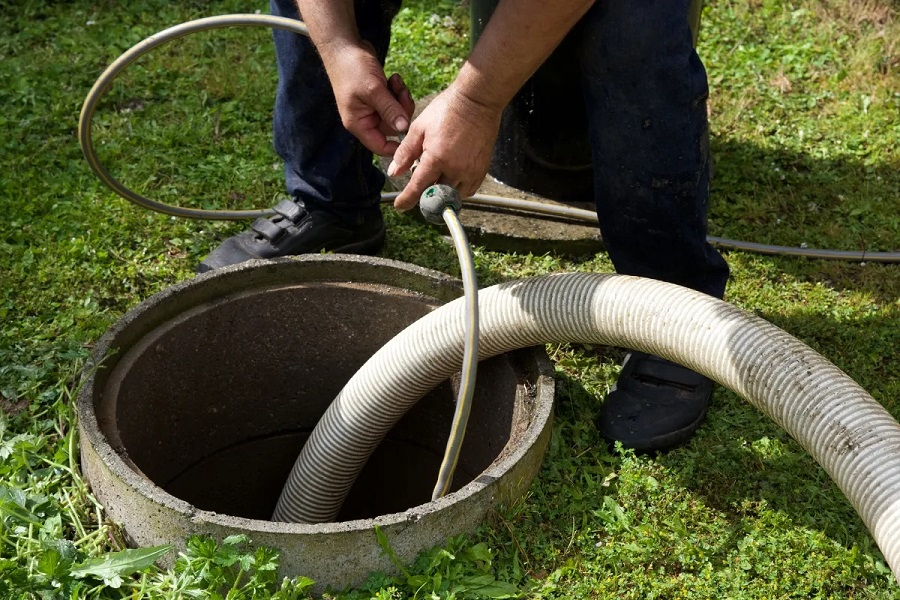
Regular septic cleaning helps ensure that septic tanks continue to function as intended. By removing accumulated sludge and solids from the tank, the system can properly separate waste and reduce the risk of overflow or system failure.
Proper maintenance supports environmental protection in several important ways:
- Prevents untreated wastewater from entering the soil
- Reduces the risk of groundwater contamination
- Protects nearby wells and natural water sources
- Maintains the effectiveness of the drain field
- Helps septic systems operate efficiently for longer periods
When septic systems are properly maintained, they can safely process wastewater without harming the surrounding environment.
Protecting Soil and Local Ecosystems
Groundwater contamination is not the only concern when septic systems are neglected. Excess wastewater or system failure can saturate nearby soil, disrupting the natural filtration process that septic systems rely on.
This can affect plant life, soil health, and nearby ecosystems. In some cases, untreated wastewater may even reach nearby lakes, streams, or wetlands, contributing to water pollution.
Routine septic cleaning reduces these risks by ensuring that the system continues to function within its intended capacity.
A Key Part of Responsible Property Maintenance
For property owners who rely on septic systems, proper care is essential not only for plumbing performance but also for environmental responsibility. Regular inspections, mindful water use, and routine septic cleaning all contribute to the long-term health of the system.
By maintaining septic systems correctly, homeowners and businesses can help protect local groundwater resources and preserve the surrounding environment for future generations.
Septic systems may operate quietly underground, but their impact on environmental health is significant. Keeping them properly maintained ensures that wastewater treatment remains safe, efficient, and environmentally responsible.
