

A roof rarely fails all at once. Most serious roofing problems begin with a small warning: one loose shingle, a faint ceiling stain, a bit of damaged flashing, a soft patch near a vent, or a gutter that keeps overflowing in the same place. These signs can look minor at first, which is why many homeowners delay them.
That delay is where the cost begins to grow.
A small roof issue is often manageable when caught early. Left alone, it can move from the outside of the home into the attic, insulation, ceilings, walls, electrical areas, and even the structure itself. Water is patient. It does not need a large opening to cause trouble. It only needs time.
For homeowners, the smartest approach is not to panic over every mark on the roof, but to know which problems deserve quick attention. Some issues are cosmetic. Others are early warnings of larger damage. Understanding the difference can save money, protect the home, and reduce the chance of emergency repairs during bad weather.
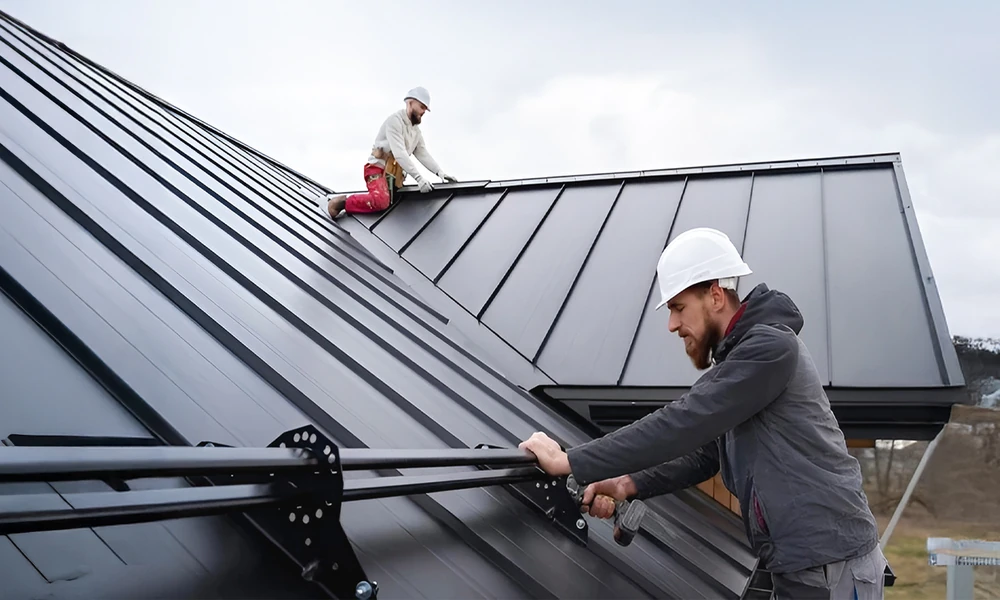
A small leak, a few missing shingles or damaged flashing can turn into a bigger roof problem if it is ignored. Having it looked at early by professionals offering roof repair services in Edmonton. can save trouble later.
Early inspection is often the difference between a straightforward repair and a much larger roofing expense.
Small Roof Leaks
A small leak may not look serious from inside the home. It may appear as a pale stain on the ceiling, a damp smell in the attic, or a drip that only shows up during heavy rain. Roof leaks are not always easy to trace. Water may get in at one point, then move along wood, insulation or framing before showing up somewhere else inside the home.
This makes roof leaks difficult to judge without proper inspection. A stain in the bedroom does not always mean the problem is directly above that room. The source could be a vent, chimney, valley, skylight, flashing joint, or damaged shingle several feet away.
The danger with small leaks is that they often grow quietly. Wet insulation loses performance. Wood can soften. Paint can bubble. Mould can begin in hidden spaces. Drywall can weaken. By the time a homeowner sees obvious interior damage, the roof problem may already have been active for weeks or months.
A leak should never be treated as “just a drip.” Even if it only appears during certain storms, it means water is finding a path inside the roofing system. That path should be closed before the next season makes it worse.
Missing or Lifted Shingles
Missing shingles are one of the most visible roof problems, but they are still easy to underestimate. One missing shingle may not seem urgent, especially if there is no leak yet. The problem is that shingles protect the layers beneath them. Once that protection is gone, water, wind, sunlight, and ice can reach areas that were not meant to be exposed.
Lifted shingles can be just as concerning. If shingles are curling, buckling, or pulling away from the roof, they may allow wind-driven rain to enter. In cold climates, small gaps can also give melting snow and ice more places to move.
Wind damage often starts with a few loose shingles. If not repaired, surrounding shingles can loosen too. The roof becomes weaker in sections rather than isolated spots. A repair that could have been simple may turn into a larger replacement area.
Homeowners should also watch for granule loss. If gutters or downspouts contain a heavy amount of shingle granules, the roof surface may be wearing down. Granules protect shingles from sun and weather exposure. When the granules wear away, shingles lose part of their protection. They can become brittle sooner and more likely to crack as they age.
Damaged Flashing Around Roof Openings
Flashing is one of the most important parts of a roof, yet many homeowners hardly notice it. Flashing protects the awkward parts of a roof: around chimneys, vents, skylights, edges, walls, valleys and any place where one surface meets another.
Those are the areas water likes to test first. Seams, corners and edges often become leak points if they are not sealed and fitted properly.If flashing is bent, cracked, loose, rusted, poorly sealed, or badly installed, water can slip underneath the roofing surface.
Flashing problems are especially frustrating because the rest of the roof may look fine. A homeowner may assume the shingles are the issue when the real problem is a small failure around a chimney or vent pipe. This is why quick patching does not always solve a leak. The source needs to be found properly.
Old sealant around flashing can also fail over time. Heat, cold, moisture, and movement can cause it to crack or pull away. Once that happens, water can enter during storms or snow melt.
A roof is only as strong as its weakest detail. Flashing is one of those details that deserves attention before damage spreads indoors.
Clogged or Damaged Gutters
Gutters are not part of the roof surface, but they play a direct role in roof protection. Their job is to move water away from the roofline, fascia, siding, and foundation. Gutters cause trouble when they stop moving water properly. If they are packed with leaves, dirt, branches, ice or shingle granules, water can sit, overflow or work its way back under the roof edge.
During winter, clogged gutters can add to ice buildup and put extra stress on the roofline.During heavy rain, overflowing gutters can soak fascia boards, damage soffits, stain siding, and increase moisture near the foundation.
A gutter problem can also hide roof-edge damage. Overflow in the same area is usually a sign worth checking. It could be a blockage, a bad slope, a loose gutter section or damage close to the roofline. If water keeps sitting or spilling there, rot and edge leaks can follow.
Regular gutter cleaning is not exciting work, but it can save a roof from bigger and more expensive problems later.
Ice Dam Warning Signs
In cold regions, ice dams are not a small issue. They often begin with heat leaking into the attic, warming the roof just enough to melt the snow above it. That water then runs down and freezes again at the colder roof edge.
Layer by layer, the ice can block drainage. When melted water gets trapped behind it, it may push under the shingles and find its way into the roof.This can lead to leaks, wet insulation, stained ceilings, and damaged walls.
Many homeowners think ice dams are only a roofing problem. In many cases, the real cause is tied to what is happening in the attic: poor insulation, weak ventilation or air leaks from the home below.The roof may show the symptoms, but the cause may involve heat movement from inside the home.
Warning signs can include heavy icicles, thick ice along the roof edges, water stains after snow melts and leaks that return every winter. Breaking the ice away too aggressively can damage the shingles, so it is better to find out why the ice is forming in the first place.
Sagging or Uneven Roof Areas
A sagging roofline should never be ignored. A sagging roof can point to something deeper, such as weak structure, water-damaged decking, too much weight on the roof, poor framing support or moisture that has been building for a long time.
Sometimes it is hard to notice. The roof may look slightly uneven from the street, or one section may seem softer than the rest. In other cases, the sag is clearer, especially along the ridge or between rafters.
This is more serious than a missing shingle or a small flashing problem. It needs a closer assessment to see whether the roof deck or framing has been affected.Heavy snow, poor ventilation, old leaks, and aging materials can all contribute.
A sagging area can get worse under weight. It should be inspected before another storm or winter season adds more stress.
Cracked Pipe Boots and Vent Problems
Roof vents and pipe boots are small components, but they are frequent sources of leaks. A pipe boot seals the area where a plumbing vent pipe passes through the roof. Over time, rubber boots can crack, shrink, split, or pull away.
Once the seal is broken, water can enter around the pipe. This type of leak may be hard to notice from the ground because the shingles nearby may look perfectly normal.
Vent covers can also become damaged by wind, hail, animals, or aging. When roof vents are cracked, loose or blocked, they can affect the roof in two ways: water may find a way through, and the attic may not breathe properly.Poor ventilation can shorten roof life and contribute to moisture issues in the attic.
These small roof parts are easy to forget, but replacing a cracked boot or repairing a vent early is usually far less expensive than repairing interior water damage later.
Poor Attic Ventilation
Not every roof problem starts outside. Some begin inside the attic.An attic needs to breathe. When ventilation is poor, warm moist air can get trapped above the living space, especially in winter. It may then condense on decking, nails, insulation and timber.
That hidden moisture can slowly cause mould, wood damage, insulation problems and faster shingle wear. During summer, trapped attic heat can also make upstairs rooms feel uncomfortable and put more pressure on the roof.
Homeowners do not always connect these signs to roofing. A musty attic, frost, damp insulation, uneven temperatures or ice dams that keep coming back can all be warning signs that airflow is not working properly.
A healthy roof system needs balanced airflow. Intake and exhaust vents should work together. If they do not, the roof may age faster even when the exterior materials appear fine.
Storm and Hail Damage
After a severe storm, it is worth checking the roof from a safe distance. Hail, strong wind and flying debris can damage shingles, vents, flashing, gutters and roof edges. The problem is that storm damage does not always show up clearly right away.
Hail may leave bruised shingles, missing granules, dents in metal components, or weakened areas that fail later. Wind may lift shingles without fully removing them. Branches may scrape the surface or loosen flashing.
The mistake many homeowners make is waiting for a leak before checking the roof. By then, the storm damage may have already allowed water into the system. A post-storm inspection can catch problems while they are still repairable.
Professional roof repair services in Edmonton can be especially valuable after harsh weather, because local contractors understand the kinds of damage regional roofs commonly face and how quickly small storm issues can develop.
Why Early Roof Repairs Cost Less
Early repairs are usually cheaper because the damage is still limited. Replacing a few shingles, sealing a flashing issue, repairing a vent boot, or clearing drainage problems is far less costly than replacing soaked insulation, damaged decking, ceiling drywall, and interior finishes.
Roof problems also tend to multiply. A small opening lets in water. Water damages wood. Damaged wood weakens the shingle support. Weak support leads to more movement. More movement creates more openings. That cycle is why a minor issue can become a major repair if ignored long enough.
There is also the problem of timing. A roof issue discovered during calm weather can be handled with planning. A roof issue discovered during a storm often becomes urgent, stressful, and more expensive.
Preventive repair is not just about saving money. It protects daily comfort. No homeowner wants buckets in the hallway, stained ceilings, emergency calls, or uncertainty every time the forecast changes.
When Homeowners Should Call for Help
A homeowner can safely observe many roof problems from the ground. Missing shingles, sagging areas, heavy ice, damaged gutters, and visible debris can often be spotted without climbing. But walking on a roof without proper equipment is dangerous, especially when shingles are wet, icy, steep, or damaged.
Professional help is recommended when there are signs of leaks, repeated gutter overflow, missing or lifted shingles, damaged flashing, storm damage, soft roof areas, or unexplained attic moisture. It is also wise to schedule an inspection if the roof is older and has not been checked in years.
The purpose of calling early is not always to approve a major project. Sometimes the best outcome is a small repair and reassurance. Other times, early inspection reveals a problem that would have become much worse if left alone.
Good roof maintenance is not about overreacting. It is about responding at the right time.
FAQs About Roofing Problems
Is a small roof leak urgent?
Yes. Even a small leak means water has already made its way into the roof system. The damage may not show right away, but if it is ignored, it can affect insulation, wood, drywall and the air inside the home.
Can missing shingles cause leaks?
They can. Missing shingles expose the layers underneath to weather. Even if there is no leak yet, the area should be repaired before wind, rain, or snow makes the damage worse.
How often should a roof be inspected?
Many homeowners benefit from a roof inspection every couple of years, after major storms, or whenever visible problems appear. Older roofs may need closer attention.
Are clogged gutters really a roof problem?
They can become one. Clogged gutters may cause water to back up near the roof edge, soak fascia, damage soffits, and contribute to ice issues in winter.
Should I climb onto my roof to check damage?
Do not climb onto the roof just to check a problem. Look from the ground first, and bring in a professional if you notice warning signs. A damaged roof can be slippery, steep or weaker than it appears.
Final Thoughts
Roof problems become expensive when they are ignored. A missing shingle, cracked pipe boot, clogged gutter, loose flashing, or small leak may not seem dramatic at first, but each one gives water a chance to enter places it should never reach.
The best repair is usually the one handled early. It protects the roof, the attic, the structure, and the rooms below. It also helps homeowners avoid panic decisions when bad weather exposes a problem at the worst time.
A roof is built to protect the home every day. When it starts showing signs of stress, those signs deserve attention. A timely repair can preserve comfort, prevent damage, and keep a small issue from becoming a costly lesson.
