

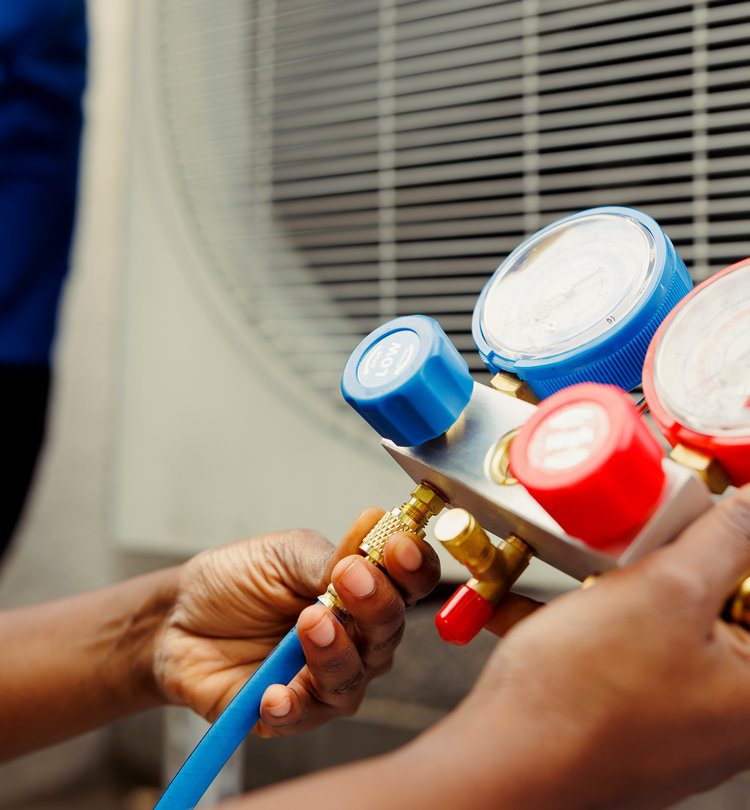
The world of HVAC is evolving rapidly, and refrigerants are at the center of this transformation. As environmental concerns grow and regulations tighten, the industry is moving away from older refrigerants and turning toward more sustainable solutions. In this shift toward refrigerant alternatives for better efficiency, one standout is the A2L class of refrigerants. Known for their low global warming potential (GWP) and improved safety profile, A2Ls are shaping the next chapter in cooling technology.
What Are A2L Refrigerants, Really?
Before diving into comparisons, it’s important to understand what makes a refrigerant “A2L.” The term comes from ASHRAE safety classifications:
- The “A” refers to low toxicity
- The “2L” designates a lower flammability rating compared to Class 2 and Class 3 refrigerants
That “L” is significant. It tells engineers and technicians that although A2Ls are mildly flammable, their combustion potential is far lower than more volatile alternatives. In practice, this makes them safer to use than many older high-performance refrigerants that carry stronger flammability risks or toxic effects.
Fun fact: A2Ls burn so slowly that trying to ignite some of them is like trying to light a candle with wet matches.
A2L vs. Legacy Refrigerants: How They Stack Up
It’s easy to see why A2Ls are gaining attention when compared to traditional refrigerants like R-410A, R-134a, or R-404A.
1. Environmental Impact
This is where A2Ls truly shine. Older refrigerants often carry GWPs in the thousands. For example, R-410A has a GWP of around 2,088, while R-134a clocks in at over 1,400. A2Ls, in contrast, can have GWPs well below 500. Some even fall under 150, aligning with current and upcoming environmental regulations.
Switching to A2Ls means significantly reducing the carbon footprint of HVAC systems. As global warming and climate policies take center stage, this matters more than ever.
2. Energy Efficiency
A2L refrigerants are designed with modern systems in mind. Many are optimized for high efficiency, which translates to lower energy consumption and reduced operational costs. It’s not just about helping the planet – it’s about saving money too.
3. Safety Considerations
Though flammability concerns exist, A2Ls have a built-in safety advantage: their low flame speed. They’re far less volatile than Class 2 or 3 refrigerants, and when installed in properly ventilated, modern systems with standard safety protocols, they present minimal risk.
Compare that to some older refrigerants that, while non-flammable, pose toxicity or high-pressure hazards. A2Ls strike a better balance between safety and performance.
Regulatory Momentum Behind A2Ls
Laws and standards across the globe are pushing for lower-GWP refrigerants, and A2Ls are leading the pack in terms of compliance and readiness.
In the United States, the AIM Act is driving phasedown targets for HFCs, and A2Ls are already positioned as ideal alternatives in residential and light commercial systems. Globally, the Kigali Amendment to the Montreal Protocol is steering many countries in a similar direction.
Manufacturers, regulators, and contractors are increasingly aligning around A2Ls because they allow compliance without sacrificing performance. Codes are also adapting to better integrate A2Ls into new builds and retrofits.
Why Technicians and Manufacturers Are On Board
For HVAC professionals, the shift toward A2Ls isn’t just a regulatory hurdle – it’s an opportunity to work with refrigerants that offer:
- Higher performance in next-gen systems
- Easier compliance with emerging laws
- More customer-friendly options for green-minded consumers
Manufacturers are already redesigning systems to optimize around A2Ls, and training programs are making it easier for technicians to handle these mildly flammable options safely.
Fun fact: Many HVAC systems today are already “A2L-ready” even if they’re currently using other refrigerants. This means retrofitting often requires less work than expected.
A2Ls Are the Future
A2L refrigerants represent a smarter, safer, and more sustainable approach to cooling. While they may require some changes in how systems are designed, installed, and maintained, the benefits far outweigh the learning curve.
As we look to the future of climate-conscious engineering and cost-effective operation, A2Ls aren’t just a good option – they’re the right one. Whether you’re an installer, a builder, or just someone trying to understand your home’s HVAC system, remember: the next time you feel a perfectly chilled breeze on a hot summer day, chances are A2Ls will be part of the reason why.
