

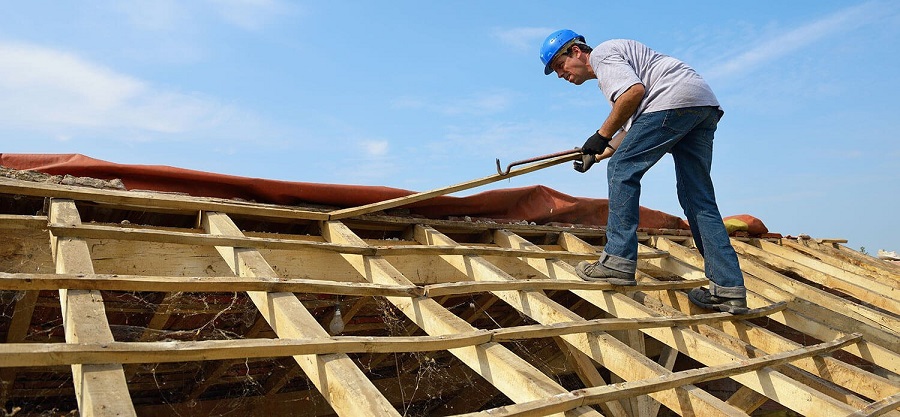
Maintenance is essential for preserving the integrity of your roof. And not just your roof—a well-maintained roofing translates to a stronger, more protected home overall.
On top of that, it saves you big bucks in repair costs. A quick check every once in a while helps catch small issues before they become expensive problems.
With that said, let’s jump into some residential roof maintenance tips that’ll help you keep things in top shape for the long haul.
Do a Quick Ground-Level Check
Conduct a visual inspection of your roof from the ground at least twice a year—once in spring and again in fall. Look for signs of wear and tear like cracked, curled, or missing shingles, rust spots, and debris buildup in the gutters or on the roof surface. Be sure to check any areas where water might collect like roof valleys, flat areas, and around chimneys and vents. These spots can lead to leaks if not addressed promptly.
If you notice anything suspicious, it’s a good idea to have a professional inspect your roof up close or even consider using a ladder to check it yourself, if you’re comfortable doing so.
Clean Your Gutters
Gutters are your roof’s drainage system, keeping water flowing where it should and away from places it shouldn’t. So, it’s crucial that they’re free of debris to prevent clogs, which causes water to pool on your roof. When this happens, it can lead to leaks, roof deterioration, and even structural damage over time.
To start, you need a ladder first for safe access, along with a hose to flush out debris and a brush for scrubbing stubborn dirt. Once you’re positioned securely in the ladder, remove any visible debris from the gutters that may be blocking the flow toward your downspout. You can then flush the gutters and downspout with your hose, with the water at full pressure.
Get Rid of Moss and Mold
Moss and mold often develop in damp areas in your roof. Unfortunately, they trap even more moisture against the roof surface, leading to decay and, eventually, the weakening of the materials. Because of this, your roof may develop leaks or structural damage altogether.
The best way to tackle these growths is to get up on the roof and scrub them thoroughly. A roof-safe cleaner and a stiff-bristled brush are your best friends in doing the job. You can find them in any local hardware store or online.
But if you don’t have any safety equipment or just aren’t confident about climbing up there, don’t hesitate—call a professional. It can be a risky task, as mold and moss are slippery, and you’re working on a sloped surface several feet above the ground. Plus, hiring an expert ensures the job is done right the first time, preventing potential damage to your roof while also saving you time and effort.
Trim Tree Branches
Overhanging branches can pose a significant risk to your roof. They can scrape the surface, clog the gutters, or even puncture your roof during storms. But the simple task of trimming them greatly reduces the chances of damage and saves you a hefty sum in repairs. Plus, it makes your property look great, too!
Before you start trimming, you want to identify any branches that disrupt the overall appearance or health of the trees. Look for those that are overgrown, dead, or out of alignment with the rest of the foliage. Using pruning shears or saws, cut down these branches to promote better growth and ensure the aesthetic appeal of the landscape. Be mindful of how much you trim, as excessive cutting can harm the plant.
If your roof has already suffered significant damage from these overhanging branches during inclement weather, it’s time to contact your local roofer for the best storm damage roof repair. They will assess the extent of the damage and provide efficient repairs, helping you restore your roof and prevent further issues.
Hire Professionals for Repairs and Maintenance
Even if you’re diligently taking care of your roof, professional inspections are still a crucial maintenance step. An expert roofer can spot issues that may not be visible to the untrained eye. It’s a good practice to contact your trusted roofer every 1-2 years or as needed depending on the weather conditions in your area.
Professionals also come in handy for maintenance tasks that you can’t really do on your own—whether it’s because you’re not comfortable climbing up on your roof, or you simply don’t have the right equipment.
Certain jobs, like removing heavy moss buildup, fixing damaged shingles, or checking for leaks, require both the expertise and the right tools to do safely and effectively. Having a professional handle these tasks ensures the job is done properly, without putting you at risk.
Moreover, they are knowledgeable about building codes and safety regulations, which can save you from legal troubles. By entrusting your roofing needs to experts, you can have peace of mind, knowing that your roof is in capable hands.
Protect Your Property and Save on Future Repairs
Taking these proactive measures can help safeguard your roof and save on costly repairs in the future. Being diligent in your maintenance can do wonders for your property and environment. You can also trust a professional for the best storm damage roof repair. That way, you can rest assured that your property is in good hands.
