

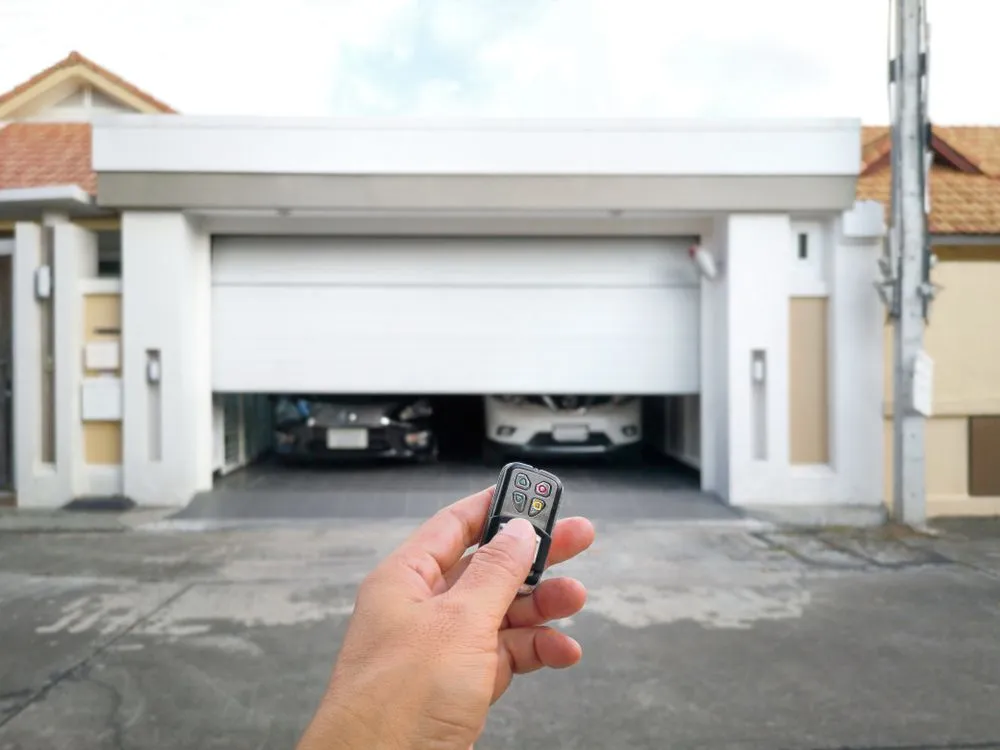
Introduction: When Your Garage Door Just Won’t Budge
Few things are more frustrating than pressing your garage remote and watching the door stop halfway or worse, reverse and open again. A garage door that refuses to close all the way isn’t just annoying, it’s a security risk and a sign something’s not quite right under the surface.
Whether you’ve got an automatic roller door or a tilt setup, issues like this can leave your home exposed to theft, weather, or unwanted critters. And while it might seem like a minor hiccup, the cause is often more complicated than it first appears.
In this guide, we’ll unpack the most common reasons your garage door isn’t closing properly, explain what you can fix yourself, and help you decide when it’s time to call in a professional.
1. Sensor Issues: The Most Common Culprit
Modern garage doors are equipped with safety sensors that sit near the floor on either side of the door. Their job is to detect obstacles and prevent the door from closing on objects, pets, or people.
But if:
- The sensors are dirty
- Misaligned
- Blocked by something small like a leaf or broom
the door may refuse to close altogether. Even sunlight hitting the sensor at a certain angle can cause a false detection.
Quick Fix:
Wipe the sensors clean with a soft cloth, ensure they’re facing each other directly, and remove anything within the sensor beam. Most units have a light that indicates alignment check your user manual for details.
2. Track Problems and Obstructions
If your garage door is closing unevenly or stopping midway, the issue might be with the tracks.
Look for:
- Bent or damaged metal rails
- Debris or stones stuck inside the tracks
- Misalignment of the tracks from impact or vibration
Even a small deviation in the tracks can cause the system to halt for safety reasons.
Quick Fix:
Use a ladder to inspect the tracks carefully. Tighten any loose bolts, and gently tap minor bends back into place with a rubber mallet. Don’t force anything if the track is severely damaged, stop there.
3. Travel Limits or Force Settings Are Off
Garage door openers have settings that tell them how far to travel before stopping. If these travel limits are incorrectly set, the opener might think the floor is higher than it is, causing the door to stop short or reverse.
Similarly, force settings determine how much resistance the door can handle before it gives up and goes back up. If they’re too low, even a slight bit of friction may stop the door from closing fully.
Quick Fix:
Most openers have dials or screws to adjust these settings. Look for a label on the unit that shows which is which. Start with small adjustments, turn a quarter-turn at a time and test after each change.
4. Broken or Worn Out Springs & Cables
Springs and cables are essential for balancing the weight of the garage door. If they’re worn, rusted, or snapped, your opener may struggle to lower the door properly or not at all.
Signs of spring or cable issues:
- Loud banging noises
- The door feels unusually heavy
- Jerky movement when closing
- Frayed or visibly broken cables
⚠️ Do not attempt to fix or replace these yourself. Springs are under extreme tension and can cause serious injury.
This is where a professional garage door repair service becomes essential. They have the tools and training to diagnose the issue safely and make necessary adjustments or replacements without risk to you or your property.
5. Your Door Might Just Be Too Old
Sometimes the problem isn’t a specific component, it’s the door itself. If your garage door is over 15–20 years old, materials start to fatigue, alignment shifts permanently, and small issues compound over time.
Even after making minor fixes, older systems may continue malfunctioning. In this case, a Garage Door Replacement is often more cost-effective and reliable than chasing endless repairs.
New models are quieter, better insulated, safer, and more stylish offering both function and curb appeal.
6. Remote Control or Wall Switch Problems
If the door isn’t closing properly when using your remote or wall switch, the problem might not be mechanical at all.
Check:
- Battery levels in your remote
- That the wall switch wiring isn’t loose
- That your opener hasn’t lost its programming
Resetting the opener and reprogramming your remote might solve the issue entirely.
Tip: Always refer to the user manual or contact the manufacturer before attempting a reset. Each model is different.
7. Weather and Temperature Changes
Believe it or not, Melbourne’s hot summers and cool winters can wreak havoc on garage door systems.
Metal components expand in the heat and contract in the cold, which can throw off alignment and affect the motor’s performance. Lubricants can also become less effective in extreme temperatures.
Quick Fix:
Apply a silicone-based lubricant to rollers, hinges, and springs every six months. Avoid grease or oil-based products, as they attract dust and grime.
When to Call a Professional?
While some issues are easy enough to fix on your own, others require a qualified technician.
You should call a pro if:
- The problem involves springs or cables
- You’ve tried all troubleshooting steps with no success
- Your door is jerking, grinding, or off its tracks
- You’re unsure of what’s causing the problem
A professional can run a full diagnostic, service the motor, check safety systems, and ensure your garage door is functioning as it should, giving you peace of mind and saving time.
Final Thoughts
A garage door that won’t close all the way can be a simple sensor issue or a warning sign of something more serious. The key is to troubleshoot calmly and systematically. Clean the sensors, check the tracks, inspect the opener settings, and don’t be afraid to call in expert help when needed.
Whether it’s a quick garage door repair or time for a full Garage Door Replacement, addressing the issue early is the best way to keep your home safe, your garage functional, and your day moving smoothly.
If your garage door’s acting up don’t ignore it. Fix it before it turns into a bigger (and more expensive) problem.
