

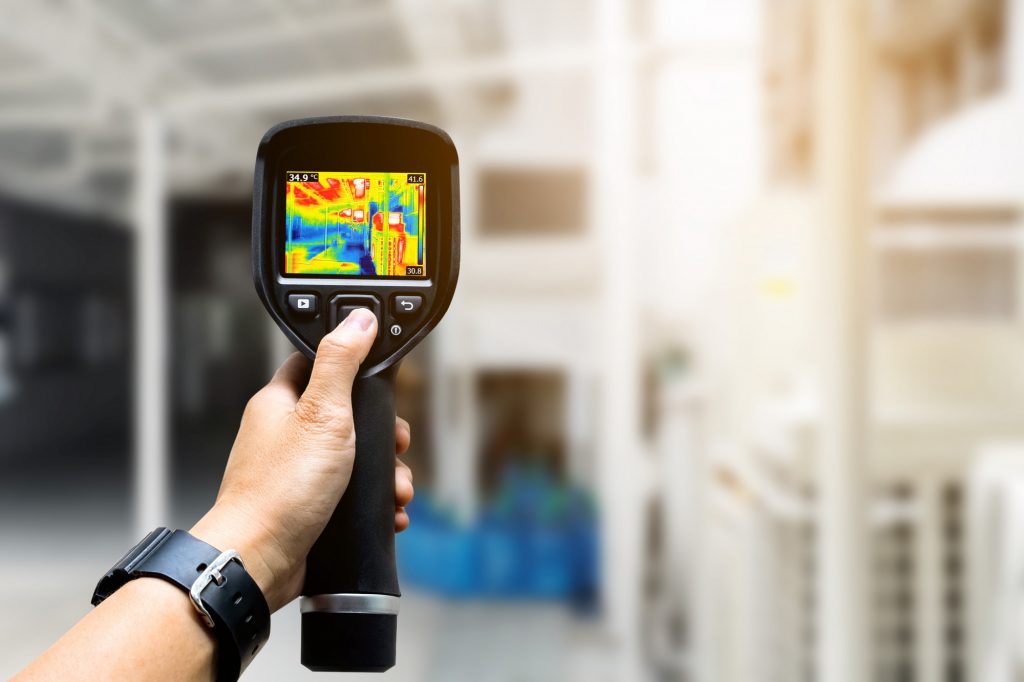
In modern urban environments, heat detection systems have become an indispensable component of building safety infrastructure, serving as silent guardians that never sleep. As our cities grow denser and buildings reach ever higher into the sky, the significance of these sophisticated monitoring systems has grown exponentially.
The Evolution of Temperature Monitoring: From Simple Alarms to AI-Driven Systems
Throughout human history, fire has been both our greatest ally and most fearsome destroyer. The journey from primitive smoke signals to today’s advanced heat detection systems mirrors humanity’s technological evolution. Modern systems employ a fascinating array of sensors that can distinguish between different types of heat signatures, much like how our ancient ancestors learned to differentiate between the warmth of a cooking fire and the searing heat of a forest blaze.
The Science Behind Modern Heat Detection
At its core, contemporary heat detection operates on principles that would seem like magic to our predecessors. These systems employ:
- Thermistor-based sensors that measure temperature changes with remarkable precision, capable of detecting variations as small as 0.1°C within milliseconds
- Rate-of-rise detection technology that analyses how quickly temperatures escalate, reducing false alarms by up to 67% compared to traditional systems
- Advanced algorithms that can differentiate between normal temperature fluctuations and potentially dangerous heat buildups
Singapore’s Unique Challenges and Solutions
Singapore’s tropical climate presents distinctive challenges for heat detection systems. According to the Singapore Civil Defence Force (SCDF), the city-state recorded 1,877 fire incidents in 2023, with approximately 23% occurring in residential buildings. The Urban Redevelopment Authority notes that:
- High-rise buildings comprise 84% of Singapore’s residential infrastructure
- Average indoor temperatures fluctuate between 27°C and 32°C
- Humidity levels regularly exceed 80%, affecting sensor performance
The Integration of Artificial Intelligence
The marriage of AI with heat detection systems represents a quantum leap in building safety. These intelligent systems learn from historical data, establishing complex patterns that help predict potential hazards before they manifest. They can analyse hundreds of variables simultaneously, from ambient temperature variations to human movement patterns, creating a comprehensive safety net that adapts and evolves.
Economic Implications and Return on Investment
Installing advanced heat detection systems requires significant initial investment, but the long-term benefits far outweigh the costs. Consider these findings from the Building and Construction Authority (BCA):
- Properties with advanced safety systems command 12-15% higher rental values
- Insurance premiums can be reduced by up to 25% with certified heat detection systems
- The average lifespan of modern heat detection equipment exceeds 15 years with proper maintenance
The Human Factor: Psychology and Safety
Understanding human behaviour in emergency situations has become crucial in designing effective heat detection systems. Research shows that people often hesitate for precious minutes before responding to traditional fire alarms, but systems that provide specific information about the nature and location of the threat prompt faster responses.
Future Trends and Innovations
As we peer into the future, heat detection technology continues to evolve in remarkable ways. The integration of quantum sensors promises detection capabilities that would seem impossible today. Miniaturisation trends suggest we might soon see personal heat detection devices becoming as common as smartphones.
The development of swarm-based sensor networks, where hundreds of tiny sensors work together like a colony of ants, represents another frontier in heat detection technology. These systems can create three-dimensional heat maps of entire buildings in real-time, providing unprecedented levels of safety monitoring.
The Path Forward
As our cities become increasingly complex and interconnected, the importance of sophisticated safety systems grows exponentially. The challenges we face – from climate change to evolving building designs – demand ever more sophisticated solutions. The future of urban safety lies not just in the technology itself, but in our ability to integrate these systems seamlessly into our daily lives, making heat detection an invisible yet essential guardian of our modern existence.
In this new era of smart cities and interconnected systems, we must embrace the technological solutions available to us while remaining mindful of their limitations and potential. As we continue to push the boundaries of what’s possible in building safety and monitoring, the evolution of heat detection technology stands as a testament to human ingenuity and our unwavering commitment to protecting lives.
