

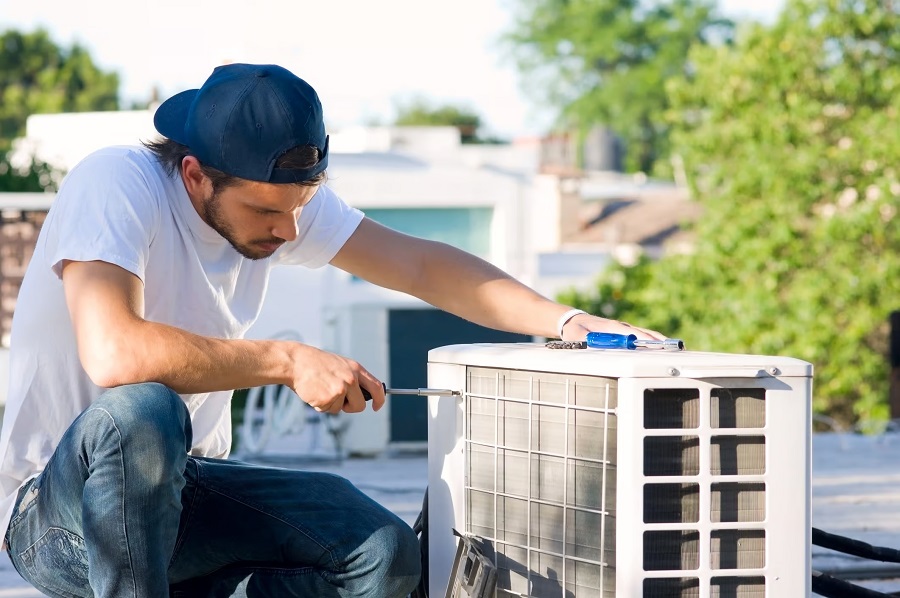
AC units usually last between 15 and 20 years with proper maintenance, which involves cleaning or replacing filters, refrigerant level checks, and examining parts such as the compressor and coils.
Its life is determined by usage, weather, and the quality of installation. By fixing minor issues quickly and maintaining cleanliness with the best AC maintenance from Beltway Air Conditioning & Heating in Columbia, MD, homeowners can boost the unit’s efficiency and reliability for many years of comfort.
How Long Do AC Units Last?
The lifespan of an air conditioner varies based on type, usage, and environment. Here’s how long different systems typically last when properly maintained:
-
Central AC Units: 10 to 30 years (best performance for 10 to 20 years)
-
Ductless Mini-Splits: 15 to 20 years
-
Window AC Units: 8 to 12 years
-
Commercial HVAC Systems: 15 to 25 years
AC units in hotter regions, such as Texas and Florida, tend to wear out faster due to extended use. Salt exposure in coastal areas can also cause metal parts to corrode over time. Proper cleaning, inspections, and installation help counteract these effects and keep the unit working efficiently.
What Affects the Lifespan of an AC Unit?
Several factors determine how long an AC unit will last, from the quality of the system to how often it’s used. Regular maintenance, proper installation, and environmental conditions all play a role in keeping an air conditioner running efficiently for years.
1. Quality of the Unit and Proper Installation
The brand and build quality of an AC unit affect how long it lasts. Reputable brands often offer longer warranties, showing confidence in their durability.
Proper installation also makes a difference. A well-installed unit runs efficiently, while a poor installation can cause:
-
Short cycling, leading to excessive wear
-
Leaky ductwork, which reduces cooling efficiency
-
Incorrect refrigerant levels, which cause poor performance
An experienced HVAC technician will make sure that the compressor, coils, and thermostat are correctly positioned and calibrated for best results.
2. Frequency of Use and Climate Conditions
The climate and how often an AC is used play a major role in how long it lasts. In hot and humid areas, AC units run longer and experience more wear.
In coastal locations, salt in the air can corrode metal components. Homeowners in these areas can extend their unit’s lifespan by:
-
Choosing corrosion-resistant models
-
Installing programmable thermostats to reduce excess runtime
-
Keeping moderate temperature settings to prevent overuse
3. Maintenance Habits
Regular maintenance keeps an AC unit working efficiently for years. Without it, dust and dirt build up, filters clog, and airflow is restricted. These issues put extra strain on the system, leading to breakdowns.
Helpful maintenance tasks include:
-
Replacing air filters every 1–3 months
-
Cleaning the condenser coils and outdoor unit
-
Scheduling professional tune-ups every year
-
Checking refrigerant levels to prevent system damage
For example, a clogged air filter makes the fan motor work harder, shortening its lifespan. Regular maintenance prevents costly repairs and keeps the unit running at its best.
4. Aging Components and System Efficiency
As AC systems get older, parts wear down, causing higher energy use and lower cooling performance. Common parts that wear out include:
-
Compressor: Circulates refrigerant through the system
-
Fan Motors: Moves air for heat exchange
-
Evaporator & Condenser Coils: Help with cooling and heat dissipation
Replacing worn-out parts—such as installing a smart thermostat or upgrading a capacitor—can help maintain efficiency and extend the life of an older unit.
How to Make an AC Unit Last Longer
Following these maintenance tips can help homeowners get the most out of their AC system:
1. Change Air Filters on Time
Dirty filters block airflow, making the system work harder and use more energy. Replace them every 1–3 months, especially during summer when usage is high.
2. Keep the Outdoor Unit Clean
Leaves, dirt, and debris around the condenser can cause overheating and reduced efficiency. Keep at least two feet of clearance around the unit and clean the coils regularly.
3. Clean Air Ducts
Dust buildup in ductwork affects airflow and lowers efficiency. Professional duct cleaning improves air quality and helps the system run smoothly.
4. Use the Thermostat Wisely
A programmable or smart thermostat helps regulate temperature, preventing unnecessary wear on the AC system. Setting a schedule reduces strain on the unit.
5. Schedule Yearly Inspections
Professional maintenance catches small problems before they turn into expensive repairs. HVAC technicians inspect coils, refrigerant levels, and system performance to keep everything in check.
6. Watch for Leaks or Unusual Noises
Leaks and odd noises often mean something is wrong with the system. Fixing issues early prevents bigger problems later.
When Is It Time to Replace an AC Unit?
Even with regular maintenance, AC units eventually wear out. Recognizing the warning signs early can prevent unexpected failures.
-
Weak Cooling or Uneven Temperatures: If rooms aren’t cooling evenly, the system may not be working well.
-
Higher Energy Bills: Old units use more power to maintain cooling, leading to increased costs.
-
Frequent Repairs: If repair bills exceed $700+ per year, a replacement may be more cost-effective.
-
Loud Noises or Moisture Leaks: Mechanical issues or refrigerant leaks could mean the system is wearing down.
-
Short Cycling or Running Constantly: Both issues put extra strain on the compressor and other components.
Replacing an outdated system with a new, energy-efficient model lowers electricity costs and improves comfort.
Regular Maintenance Helps AC Units Last Longer
Taking care of an air conditioner extends its life and keeps energy costs lower. Cleaning filters, checking refrigerant levels, and getting professional tune-ups prevent major breakdowns.
For homeowners looking to keep their AC system running efficiently, Beltway Air Conditioning & Heating offers expert HVAC maintenance and repair services to improve performance and reliability.
A well-maintained AC unit runs longer, reduces repair costs, and keeps homes comfortable for years to come. Investing in maintenance today means fewer problems and lower expenses in the future.
Beltway Air Conditioning, Heating and Plumbing
5550 Sterrett Pl STE 202, Columbia, MD 21044
+14433232547
