

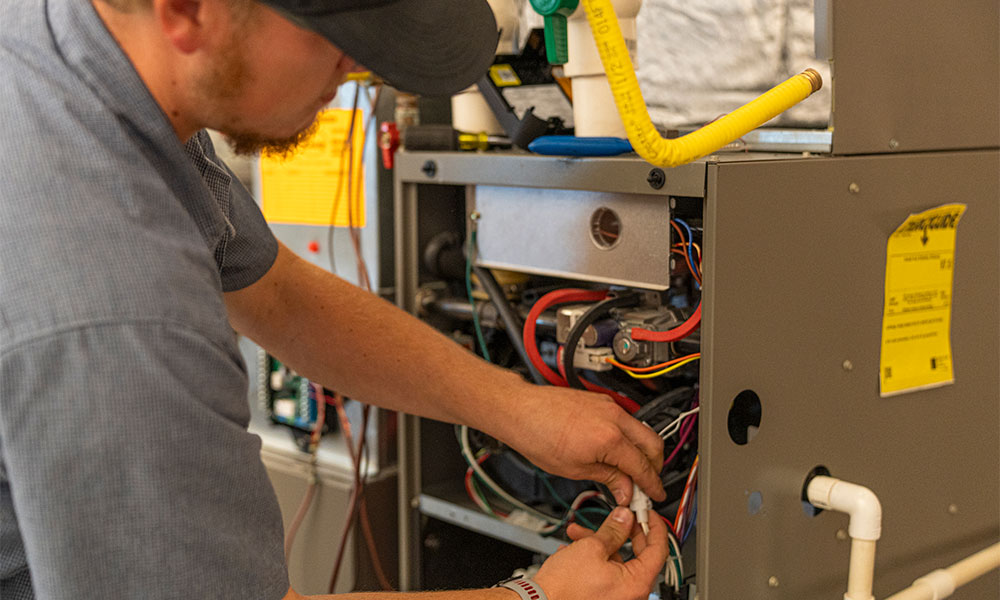
A furnace breakdown can be stressful, especially during cold weather. When your heating system suddenly stops working, your home can quickly become uncomfortable and even unsafe. While some problems require professional service, there are a few steps homeowners can take to identify simple issues before calling a technician.
Check Your Thermostat
Start by checking your thermostat settings. Sometimes the issue is as simple as the thermostat being accidentally switched to the wrong setting. Make sure it is set to “heat” and that the temperature is higher than the current room temperature. If the thermostat runs on batteries, replacing them may restore normal operation. A malfunctioning thermostat can prevent your heating system from turning on even when everything else is functioning properly.
Inspect the Circuit Breaker
If your furnace will not start at all, the problem may be related to your home’s electrical system. Check your breaker panel to see if the breaker connected to your heating system has tripped. Resetting the breaker may restore power to the unit. However, if the breaker trips again shortly afterward, there could be an electrical issue that should be evaluated by a professional technician.
Replace or Clean the Air Filter
A dirty air filter is one of the most common causes of heating system problems. When the filter becomes clogged with dust and debris, it restricts airflow and forces the furnace to work harder than necessary. In some cases, restricted airflow can cause the system to shut down to prevent overheating. Removing the old filter and installing a clean one may allow the system to run properly again while also improving energy efficiency.
Check Air Vents and Registers
Walk through your home and make sure air vents and registers are open and not blocked by furniture, rugs, or curtains. Blocked vents can prevent warm air from circulating properly and may cause the system to struggle when trying to heat your home. Proper airflow throughout the house helps maintain consistent temperatures and supports efficient operation.
Inspect the Pilot Light
If you have a gas furnace, the pilot light could be the reason your system is not producing heat. The flame should normally appear blue and steady. If the pilot light has gone out, it may be possible to relight it by following the manufacturer’s instructions. However, if the flame repeatedly goes out or appears yellow, it may indicate a more serious issue that requires professional attention.
Listen for Unusual Sounds
When the system attempts to start, listen for unusual noises such as banging, grinding, or squealing. These sounds often signal mechanical problems with components like the blower motor or internal belts. Ignoring unusual noises can allow the problem to worsen over time.
Call a Professional Technician
If these basic checks do not resolve the problem, contacting a professional technician is the safest next step. A trained specialist can diagnose the issue, repair damaged components, and restore heat to your home quickly. In situations where the system has completely failed during cold weather, scheduling furnace repair in Hartford ensures your heating system is restored safely and efficiently.
