
Clean, safe water is something most property owners take for granted—until there’s a problem. One of the most overlooked threats to water safety is backflow, a plumbing issue that can quietly contaminate a building’s water supply. That’s where certified backflow testing comes in.
Whether you own a home, manage a commercial building, or oversee multiple properties, understanding how backflow testing works and what to expect from the process can help you stay compliant, protect occupants, and avoid costly plumbing issues.
What Is Backflow—and Why Does It Matter?
Backflow occurs when water flows in the opposite direction than intended within a plumbing system. This reversal can allow contaminants—such as chemicals, bacteria, or debris—to enter the clean water supply.
Backflow typically happens due to:
- Back pressure, when downstream pressure exceeds supply pressure
- Back siphonage, caused by sudden drops in water pressure (like a water main break)
Without proper prevention and testing, backflow can pose serious health risks and violate local plumbing codes.
What Is Certified Backflow Testing?
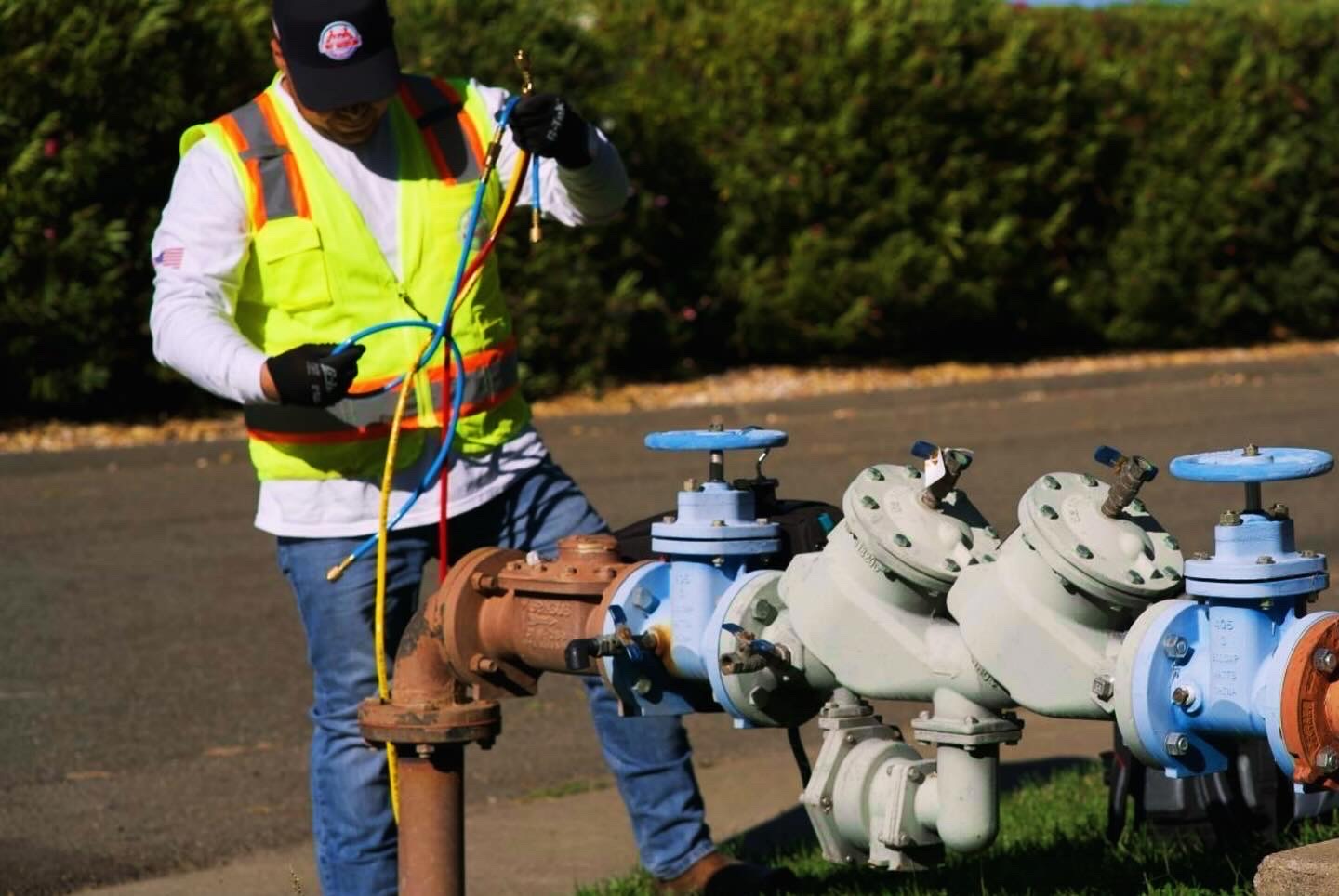
Certified backflow testing is a professional inspection performed by a licensed and trained technician to ensure backflow prevention devices are working correctly. These devices are designed to stop contaminated water from flowing backward into the potable water system.
Most municipalities require routine testing—often annually—for commercial properties, multi-family buildings, and certain residential systems. Certification ensures the test meets local and state compliance standards.
When Is Backflow Testing Required?
While requirements vary by location, backflow testing is commonly required for:
- Commercial buildings and industrial facilities
- Restaurants and food service establishments
- Medical facilities and laboratories
- Multi-unit residential properties
- Irrigation and sprinkler systems
Even if testing isn’t mandatory for your property, proactive testing is a smart step in preventative plumbing maintenance.
What to Expect During the Backflow Testing Process
If you’ve never scheduled a backflow test before, the process is straightforward and minimally disruptive.
1. Initial Inspection
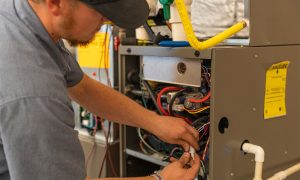
The technician will locate the backflow prevention device and inspect it for visible damage, corrosion, or improper installation.
2. Performance Testing
Using specialized equipment, the technician checks pressure levels and valve performance to confirm the device is functioning as intended.
3. Documentation and Certification
Once testing is complete, results are documented and submitted to the appropriate local authority if required. Passing systems receive certification, while failed devices are flagged for repair or replacement.
4. Repairs if Needed
If the device fails, a certified plumber can recommend repairs or replacement to bring the system back into compliance.
How Long Does Backflow Testing Take?
Most certified backflow testing appointments take 30 to 60 minutes, depending on system complexity and accessibility. Larger commercial systems may require additional time, but downtime is usually minimal.
Why Hiring a Certified Professional Matters
Backflow testing isn’t a DIY project. Hiring a certified professional ensures:
- Compliance with local plumbing codes
- Accurate testing using approved methods
- Proper documentation for regulatory agencies
- Early detection of potential system failures
Uncertified testing or skipped inspections can lead to fines, water shutoffs, or serious health concerns.
Common Signs You May Need Backflow Testing
Even if your property isn’t due for routine testing, watch for warning signs such as:
- Discolored or foul-smelling water
- Sudden drops in water pressure
- Unusual tastes in tap water
- Recent plumbing modifications or system upgrades
These issues don’t always indicate backflow—but they do signal it’s time for a professional inspection.
Backflow Testing as Preventative Maintenance
Routine certified backflow testing is part of a larger preventative maintenance strategy. Identifying small issues early helps:
- Extend the lifespan of plumbing systems
- Prevent emergency repairs
- Protect occupants and customers
- Maintain compliance with local regulations
For property owners, it’s a low-cost service that offers high-value protection.
Final Thoughts
Backflow may be out of sight, but it should never be out of mind. Understanding how certified backflow testing works—and what to expect—helps property owners make informed decisions about water safety and system maintenance.
Whether you’re managing a commercial facility or maintaining a residential property, scheduling regular backflow testing is a proactive step toward protecting both your investment and the people who rely on your water supply every day.