





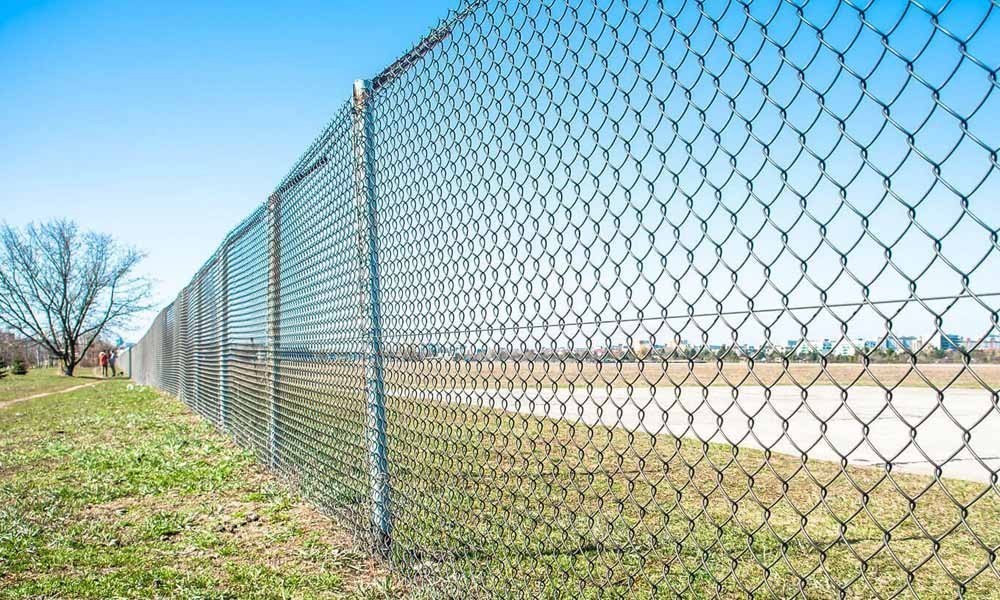
When homeowners start planning a new fence, most immediately think of privacy fencing or decorative residential styles. However, for properties with more land, ranch fencing has become an increasingly popular alternative—especially for homeowners seeking functionality, durability, and an open aesthetic. Understanding the differences between ranch fencing and traditional residential fencing can help homeowners make the right choice for their property.
Purpose and Property Type
Traditional residential fencing is typically designed for privacy, security, and clear boundary definition. These fences are commonly installed around smaller lots and suburban homes, using materials like wood panels, vinyl, or metal pickets.
Ranch fencing, on the other hand, is ideal for larger properties, acreage homes, and rural or semi-rural lots. Originally designed to contain livestock, ranch fencing now serves many residential purposes, including property division, pet containment, and landscape enhancement. Homeowners exploring ranch fencing in Corpus Christi, TX often choose it for its ability to define space without closing off scenic views.
Design and Appearance
Residential fencing prioritizes enclosure. Tall panels or closely spaced pickets create privacy but can sometimes make a property feel boxed in. Ranch fencing features horizontal rails, wire, or a combination of both, resulting in a clean, open look that blends well with natural surroundings.
For homeowners who enjoy wide landscapes or waterfront views common in South Texas, ranch fencing offers structure without visual obstruction. It also pairs well with farmhouse, coastal, and country-style homes.
Maintenance and Durability
Maintenance is a key difference between the two fencing styles. Privacy fences may require frequent staining, repairs, or panel replacements due to wind exposure and moisture retention.
Ranch fencing is generally easier to maintain, particularly when built with pressure-treated posts, wire reinforcement, or durable rail systems. Fewer solid surfaces mean less wind resistance, which is an important consideration in coastal areas like Corpus Christi.
Cost Considerations
While pricing varies depending on materials and land size, ranch fencing can be a cost-effective solution for large properties. Installing a traditional privacy fence over long distances can become expensive quickly, whereas ranch fencing covers more ground with fewer materials.
Homeowners should also factor in long-term value. Professionally installed ranch fencing often lasts longer and requires fewer repairs over time.
Choosing the Right Option
The best fence depends on property size, lifestyle, and long-term goals. Homeowners with pets, livestock, or acreage often find ranch fencing to be both practical and visually appealing. Working with experienced fencing professionals ensures proper spacing, post depth, and material selection for lasting performance.
Ultimately, understanding the differences between ranch fencing and traditional residential fencing allows homeowners to invest confidently in a solution that enhances both function and curb appeal.