

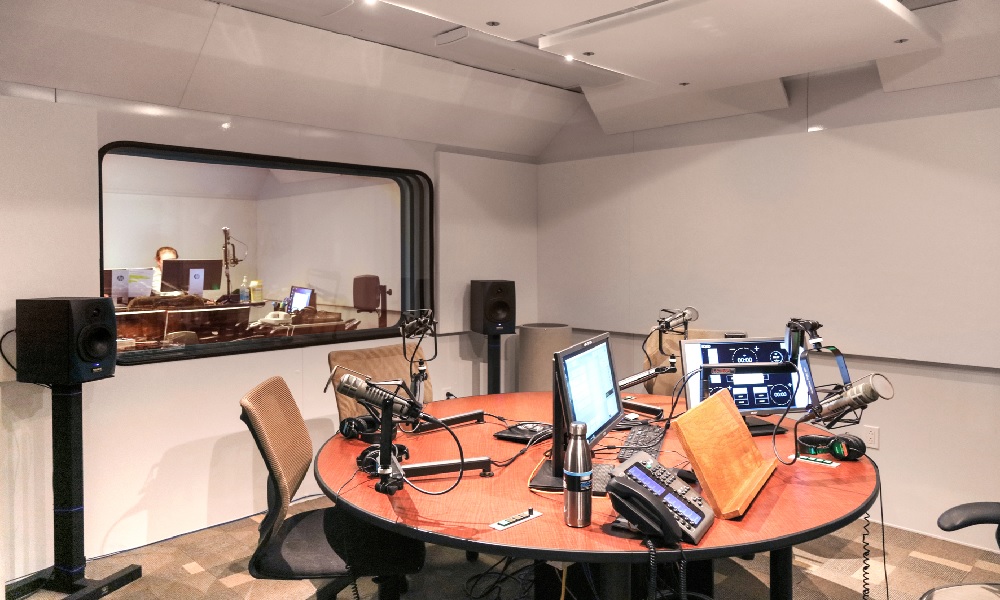
Professional audio engineers and musicians understand the importance of recording in a soundproof environment. The production process requires a quiet space free from outside noise and distractions, as any unwanted sound can ruin a recording. One effective solution is using soundproof panels in recording studios. These panels are designed to absorb sound waves and reduce the amount of noise that enters or exits a room.
However, there are specific tips you need to keep in mind when using soundproof panels to ensure that they are effective in providing a soundproof environment for recording. In this blog post, we will explore some essential tips that you need to consider when using soundproof panels in recording studios.
Properly measure and place panels.
One of the most crucial steps in using soundproof panels in recording studios is to properly measure and place them. Before installing any panels, it’s important to take accurate measurements of the room’s dimensions and identify any problem areas where sound is leaking in or out.
From there, you can determine how many panels you’ll need and where they should be placed for maximum effectiveness. It’s also important to consider the type of panel being used and its specific sound absorption capabilities. Once you have a plan in place, be sure to take your time during installation and use the appropriate tools and hardware to securely mount the panels. Properly measuring and placing your soundproof panels is essential to creating an acoustically sound recording environment.
Choose the right panel thickness.
When it comes to soundproofing a recording studio, the thickness of soundproof panels is a crucial consideration. Choosing the right panel thickness can significantly impact the level of sound reduction achieved. Panels with a thickness of 2 inches or more are recommended for optimal sound absorption.
Thicker panels provide better sound insulation by increasing the amount of sound energy they can absorb. However, thicker panels also tend to be more expensive, so it’s important to strike a balance between cost and effectiveness.
Consider panel placement in corners.
While it may seem like a simple task, the placement of the panels can have a significant impact on the effectiveness of the soundproofing. One tip to keep in mind is to consider panel placement in corners. Corners are notorious for creating sound resonances and can amplify unwanted sound, so placing panels in these areas can help to reduce the overall sound transmission.
Corner placement can help to address issues with low-frequency sound waves, which tend to accumulate in corners. By strategically placing soundproof panels in the corners of the recording studio, you can improve the overall sound quality and create a more professional recording environment.
Don’t overuse panels in space.
When using soundproof panels in recording studios, it’s important to keep in mind that less can often be more. While it may be tempting to cover every inch of wall space with panels, this can actually have a negative impact on the overall sound quality of your recordings.
Overusing panels can lead to an overly deadened, unnatural sound that lacks warmth and character. Instead, aim for strategic placement of panels in areas where sound reflection and resonance are most problematic, such as corners and behind the recording equipment. By avoiding overuse of panels, you’ll be able to strike the right balance between a clean, controlled sound and a more natural, organic recording.
Test and adjust placement regularly.
When it comes to using soundproof panels in recording studios, it is important to ensure that they are placed correctly to maximize their effectiveness. One key tip is to test and adjust placement regularly. This means regularly testing the acoustics of the room and experimenting with different panel placements to see what works best for your specific setup.
Even minor adjustments in placement can have a significant impact on sound quality and overall recording quality. By regularly testing and adjusting panel placement, you can fine-tune the acoustics of your studio and ensure that you are getting the best possible sound for your recordings. This is a key part of creating a professional and high-quality recording environment that will meet the needs of your clients and make your studio stand out in the competitive recording industry.
