

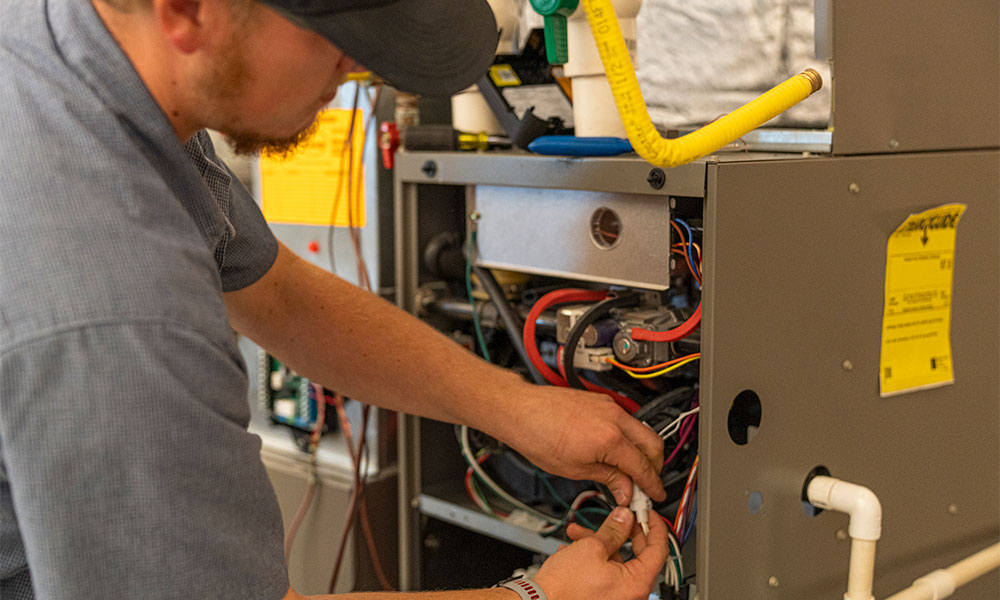
When temperatures drop, your furnace becomes one of the most important systems in your home. Unfortunately, many homeowners don’t think about their furnace until something goes wrong. Understanding the basics of furnace repair and recognizing early warning signs can help you avoid unexpected breakdowns, costly damage, and uncomfortable winter days.
Common Signs You May Need Furnace Repair
Furnaces rarely fail without warning. One of the most common signs that furnace repair may be needed is unusual noise. Banging, rattling, squealing, or grinding sounds often indicate loose components, worn belts, or airflow issues.
Another red flag is inconsistent heating. If some rooms feel warm while others remain cold, your furnace may be struggling to distribute heat evenly. This can be caused by dirty filters, blower problems, or thermostat issues.
Rising energy bills can also signal a problem. When a furnace isn’t running efficiently, it uses more energy to produce the same amount of heat. Even small mechanical issues can lead to noticeable increases in monthly utility costs.
Why Prompt Furnace Repair Matters
Delaying furnace repair can turn minor issues into major failures. What starts as a small component problem can quickly escalate into a complete system shutdown, often at the worst possible time—during extreme cold.
Timely furnace repair helps:
- Restore heating performance
- Improve energy efficiency
- Extend the lifespan of the system
- Reduce the risk of emergency breakdowns
In some cases, ignoring repairs can also create safety concerns, especially if the issue involves gas lines, electrical components, or ventilation.
DIY Fixes vs. Professional Furnace Repair
While homeowners can handle simple maintenance tasks like replacing air filters or checking thermostat settings, most furnace repair should be left to licensed professionals. Furnaces are complex systems that involve gas, electricity, and combustion—making DIY repairs risky and potentially dangerous.
Professional technicians have the tools and training to diagnose issues accurately and ensure repairs are completed safely and in compliance with local codes.
Preventing Furnace Problems with Regular Maintenance
One of the best ways to reduce the need for furnace repair is through routine maintenance. Annual furnace inspections allow technicians to identify worn components, clean critical parts, and make adjustments that keep the system running efficiently.
Preventative maintenance not only lowers the likelihood of breakdowns but also helps maintain consistent indoor comfort throughout the heating season.
Repair or Replace: Knowing the Difference
Not every furnace issue requires replacement. In many cases, furnace repair is the most cost-effective option, especially if the system is relatively new and otherwise in good condition. However, older furnaces that require frequent repairs or struggle to heat efficiently may be better candidates for replacement.
A professional evaluation can help homeowners make the right decision based on system age, repair history, and overall performance.
Conclusion
Furnace repair is an essential part of maintaining a safe, comfortable home during colder months. Recognizing early warning signs, addressing issues promptly, and scheduling regular maintenance can help homeowners avoid unnecessary stress and expense.
By taking a proactive approach to furnace repair, homeowners can ensure reliable heating, improved efficiency, and peace of mind all winter long.
