



Whether you’re enduring a blazing summer or a humid spring, a malfunctioning air conditioner is never welcome. Understanding common AC problems before they escalate can save you from discomfort, costly repairs, and premature system replacement. From refrigerant leaks to dirty filters, most AC issues are preventable with a little awareness and consistent care. This blog walks you through the most frequent culprits behind AC failure and gives you practical, expert-backed steps to keep your system running at peak performance all season long.
1. AC Not Cooling Properly
One of the most reported complaints among homeowners is AC not cooling despite the unit running continuously. This typically points to one of several underlying issues:
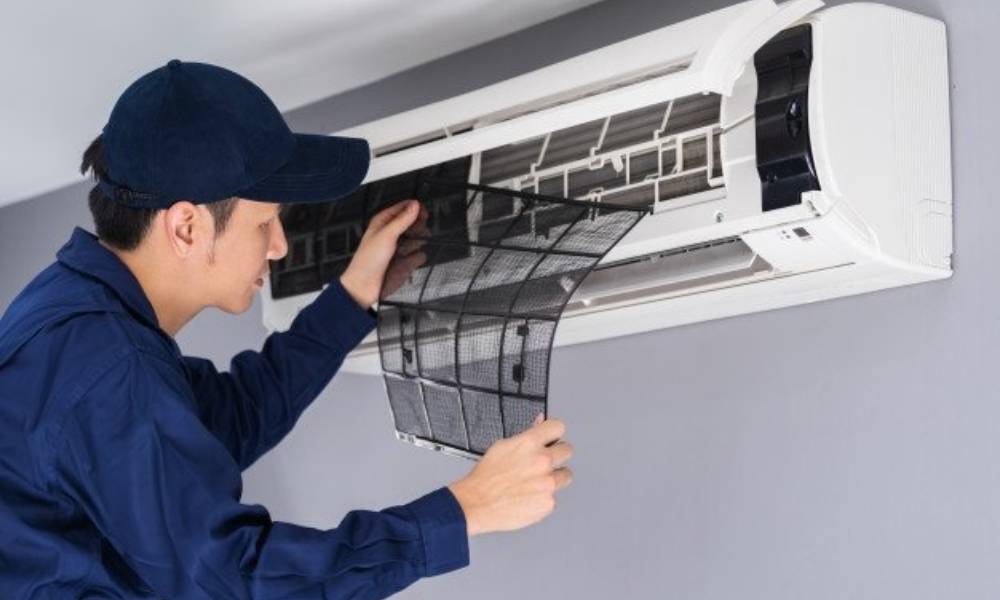
- Dirty air filters: A clogged filter restricts airflow across the evaporator coil, reducing the unit’s ability to cool your space.
- Frozen evaporator coils: Insufficient airflow or low refrigerant can cause the coil to freeze, blocking the cooling cycle. If you notice ice on your indoor unit, turn the AC off and let it thaw before calling a technician.
Regular air conditioner troubleshooting, even just a visual check every few weeks can catch these problems early.
2. AC Unit Won’t Turn On
If your AC refuses to start, don’t panic, the fix is often simpler than you think. Common causes include:
- A tripped circuit breaker or blown fuse
- A malfunctioning thermostat or incorrect thermostat settings
- A faulty capacitor that prevents the motor from starting
Before calling a technician, verify that your thermostat is set to “Cool” and the temperature is lower than the current room temperature. If these basic checks don’t resolve the issue, it’s time to bring in a professional.
3. Strange Noises Coming from the Unit
Air conditioners are designed to run quietly. Unusual sounds are a clear warning sign that something is wrong. Here’s a quick decoder:
- Squealing or screeching: Often a worn belt or motor bearing issue
- Clicking sounds at startup/shutdown: Normal, but persistent clicking could signal a faulty relay or electrical issue
- Hissing or bubbling: A potential refrigerant leak, shut the unit off immediately and contact a licensed HVAC technician
4. Water Leaking from the AC Unit
Water pooling around your indoor or outdoor unit is a sign that the condensate drain line is clogged or that the drain pan is damaged. This is one of the more common AC problems homeowners encounter during peak cooling season.
To prevent this, pour a cup of diluted bleach or white vinegar down the condensate drain line every few months to prevent algae and mold buildup. If you notice water actively dripping from the indoor unit, turn it off and call a professional, continued operation can lead to water damage and mold growth in your home.
5. Short Cycling: The AC Turns On and Off Too Frequently
Short cycling is when the AC starts and stops in rapid succession without completing a full cooling cycle. Not only does this fail to dehumidify your space properly, but it also increases energy consumption and accelerates wear on the compressor. Key causes include:
- An oversized AC unit for the space it’s cooling
- Dirty evaporator coils causing the system to overheat
- A refrigerant leak causing pressure imbalances in the system
AC Maintenance Tips to Prevent Breakdowns Year-Round
Adopting a proactive maintenance routine is the most effective way to prevent air conditioner breakdown and extend the life of your system. Here are the most impactful AC maintenance tips recommended by HVAC professionals:
- Schedule annual professional tune-ups: Have a licensed technician inspect and service your system before each cooling season. They’ll check refrigerant levels, clean coils, test electrical components, and ensure everything is operating efficiently.
- Clean or replace air filters regularly: This single step dramatically improves airflow, air quality, and system efficiency. Use a MERV-8 to MERV-13 rated filter for most residential systems.
- Keep the outdoor condenser unit clear: Remove debris, trim vegetation to at least two feet of clearance around the unit, and gently rinse the fins with a garden hose to remove dirt and buildup.
- Check and seal ductwork: Sealing and insulating ducts ensures cooled air reaches its intended destination.
- Use a programmable or smart thermostat: Avoid setting the thermostat too low when you leave, large temperature swings make your system work harder. A smart thermostat automates this for optimal efficiency.
- Inspect insulation around refrigerant lines: The suction line running from your outdoor unit to the indoor unit should be wrapped in insulation. Deteriorated insulation reduces efficiency and can lead to moisture problems.
Stay Cool with Preventive Care
The best way to prevent air conditioner breakdown is to treat your system as the long-term investment it is. Most common AC problems don’t appear overnight, they develop gradually through neglect, deferred maintenance, or improper use. By staying ahead of these issues with regular inspections, filter changes, and annual professional servicing, you can significantly extend the lifespan of your system and maintain consistent indoor comfort.
If you’re looking for reliable, expert-backed HVAC support, consider getting in touch with Hurn Mechanical, who offers preventive maintenance plans tailored to your specific system and climate.
Frequently Asked Questions (FAQs)
Q1: How often should I have my AC professionally serviced?
Most HVAC manufacturers and energy experts recommend scheduling a professional tune-up once a year, ideally in the spring before peak cooling season begins.
Q2: Why is my AC running but not cooling the house?
The most common reasons for AC not cooling effectively include a dirty or clogged air filter, low refrigerant levels, a frozen evaporator coil, or a malfunctioning compressor. Start by replacing the air filter and checking for visible ice on the indoor unit. If neither resolves the issue, contact a licensed HVAC technician for a full diagnostic.
Q3: Can I add refrigerant to my AC myself?
No. In the United States, handling refrigerants requires EPA Section 608 certification. Adding refrigerant without addressing the underlying leak is also a temporary fix and an environmentally harmful one. Always hire a certified technician to inspect, repair, and recharge refrigerant systems.