
Flooding in commercial buildings rarely happens without warning. In many cases, water damage is caused by predictable issues that build up over time or occur during severe weather. Understanding the most common causes of commercial flooding helps business owners identify risks early and take steps to prevent costly damage, downtime, and repairs.
Plumbing Failures and Burst Pipes
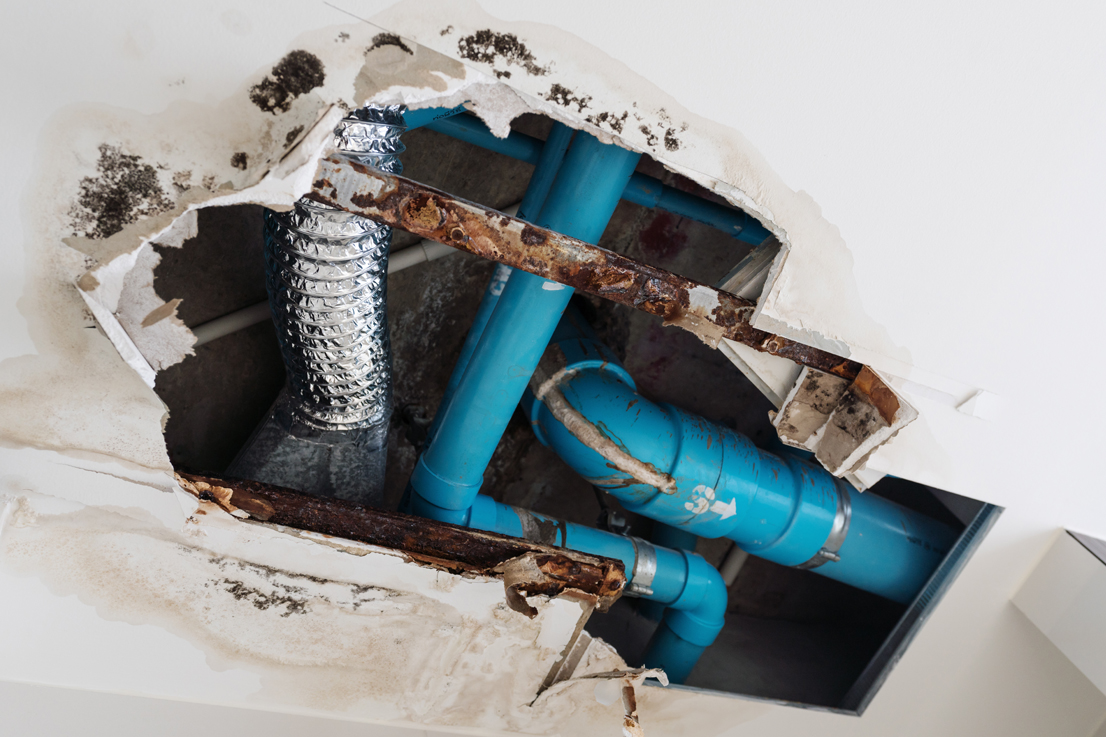
One of the most common causes of flooding in commercial properties is plumbing failure. Aging pipes, corroded fittings, and loose connections can fail suddenly and release large volumes of water. In colder climates, frozen pipes are a major risk, especially in warehouses, offices, or retail spaces with unheated areas.
Commercial buildings often have complex plumbing systems that serve restrooms, kitchens, sprinklers, and equipment. A single failure can affect multiple areas at once, flooding floors, walls, and storage spaces before the problem is discovered.
Roof Leaks and Drainage Problems
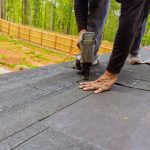
Roofs are another major source of commercial flooding. Flat or low-slope commercial roofs are especially vulnerable to pooling water during heavy rain or snowmelt. If roof drains are clogged with debris, water has nowhere to go and can seep into the building.
Over time, small roof leaks can weaken insulation and ceiling materials. During storms, these weakened areas may fail, allowing large amounts of water inside. Businesses often discover roof-related flooding after hours, which allows damage to spread unchecked.
Sewer Backups and Drain Failures
Sewer backups are a serious and hazardous cause of flooding in commercial buildings. When municipal sewer systems become overwhelmed by heavy rain, water can back up through floor drains, toilets, and sinks. This type of flooding often contains contaminants and requires specialized cleanup.
Grease buildup, debris, or damaged sewer lines can also cause backups inside the building. Restaurants, medical facilities, and older commercial properties face higher risks if drainage systems are not regularly maintained.
Faulty Sprinkler Systems
Fire sprinkler systems protect lives and property, but they can also cause flooding if something goes wrong. Accidental discharge, damaged sprinkler heads, or frozen sprinkler lines can release large amounts of water quickly.
In office buildings, apartments, and commercial complexes, a single sprinkler failure can flood multiple floors. These incidents often occur overnight or during weekends, increasing the amount of damage before it is discovered.
Severe Weather and External Flooding
Heavy rain, flash floods, hurricanes, and rising groundwater all contribute to commercial flooding. Buildings located near rivers, coastlines, or low-lying areas face higher risks during storms. Even properties outside traditional flood zones can experience water intrusion during extreme weather.
Water can enter through doors, loading docks, basement walls, and foundation cracks. Poor exterior drainage or improper grading around the building increases the risk of storm-related flooding.
“Most commercial floods come from a few common sources that businesses can prepare for,” says Kyle Daniel of Water Damage Cleanup Pros. “Knowing where the risks are makes prevention and faster response much easier.”
Equipment and Appliance Failures
Commercial equipment that uses water, such as HVAC systems, water heaters, dishwashers, and manufacturing machinery, can also cause flooding. A failed hose, valve, or internal component can leak continuously until someone notices the issue.
In large facilities, these leaks may occur in mechanical rooms or storage areas that are not checked frequently. By the time water is discovered, it may have spread to multiple areas of the building.
Why Identifying Flood Causes Matters
Understanding the cause of flooding helps determine the right response and prevents future incidents. Some causes require immediate repairs, while others point to maintenance or design issues that need long-term solutions.
Professional restoration teams do more than remove water. They help identify the source of the flood and recommend steps to prevent repeat damage. This proactive approach protects the building and reduces future downtime.
Reducing Flood Risk in Commercial Properties
Regular inspections, maintenance, and drainage management reduce flood risk significantly. Clearing roof drains, maintaining plumbing systems, testing sprinkler lines, and monitoring equipment all help prevent unexpected flooding.
Businesses that invest in prevention save time, money, and stress when severe weather or system failures occur.Flooding may never be completely avoidable, but understanding its causes puts business owners in control. With awareness and preparation, many commercial flood disasters can be prevented or minimized.