


As winter sets in, many homeowners assume pest problems fade with the dropping temperatures. In reality, cold weather often drives critters and insects indoors, where warmth and shelter make houses an attractive refuge. A home pest inspection during winter is one of the smartest steps you can take to protect your property from hidden threats that can damage structures and affect your family’s health.
Why Winter Pest Inspections Matter
Pests don’t stop searching for food, warmth, and shelter just because it’s cold outside. Rodents can squeeze through tiny cracks and gnaw on wiring, insulation, and stored belongings. Some insects, including cockroaches, silverfish, and termites, continue to thrive indoors in certain regions despite the chill. If left unaddressed, these pests can cause significant damage and pose health risks due to allergens and contaminants.
A professional home pest inspection identifies early signs of infestations and entry points pests use to access your home. Detecting issues now, not just in spring or summer, gives you the upper hand in prevention.
What Inspectors Look For
During a winter home pest inspection, trained technicians follow a thorough process that goes beyond a simple look around your home. They focus on these areas:
- Exterior Check: Cracks, gaps, and openings around the foundation, doors, windows, and utility lines are examined and often sealed to block pest access.
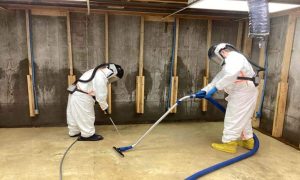
- Interior Assessment: Attics, basements, crawl spaces, and wall voids are inspected for signs of pest activity, such as droppings, nests, or gnaw marks.
- Moisture and Structural Vulnerabilities: Areas with excess moisture, such as leaky plumbing or poorly ventilated spaces, are noted because they attract pests like termites and cockroaches.
Inspectors identify not just pests but also conditions that make your home attractive to them. That information helps shape a preventive strategy tailored to your needs.
Common Winter Pests and Their Risks
A home pest inspection helps identify the pests most commonly found during colder months, including:
- Rodents: Mice and rats move indoors to seek warmth and shelter. Their gnawing can compromise electrical systems and insulation, posing fire hazards and resulting in energy loss.
- Termites and Wood-Destroying Insects: In some climates, termites remain active all year. These insects quietly feed on wood, potentially compromising your home’s structure.
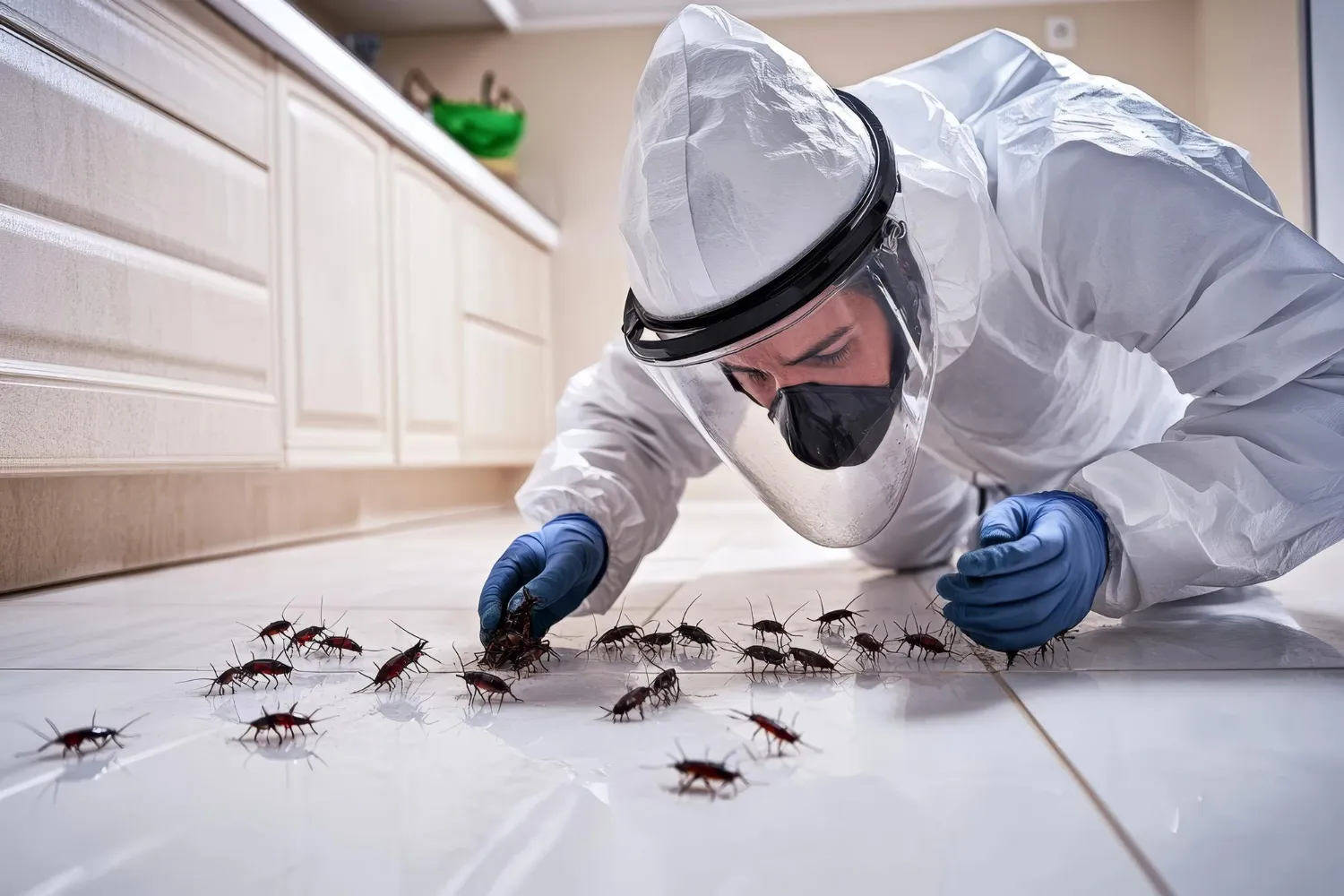
- Cockroaches & Silverfish: These pests can thrive in warm, humid indoor areas, contaminating food and surfaces.
Practical Benefits of Winter Inspections
Scheduling a home pest inspection in winter provides several advantages, such as:
1. Protect Your Home From Structural Damage
Early detection of termites, carpenter ants, and rodent activity helps prevent costly repairs later. Sealing gaps, repairing damaged siding, and addressing moisture issues reduce the vulnerabilities pests exploit.
2. Catch Problems Before Spring Arrives
Pests are often less active during winter. An inspection now allows professionals to target them in predictable hiding spots. This reduces overall pest populations and makes control measures more effective before spring brings increased activity.
3. Improve Health and Indoor Comfort
Rodent droppings, insect allergens, and conditions pests create indoors can negatively impact your family’s comfort and air quality. An inspection helps locate and eliminate these health hazards early.
4. Create a Customized Prevention Plan
After a home pest inspection, you’ll receive a customized action plan. This might involve sealing entry points, moisture management, and targeted pest treatments, all designed to keep critters out through winter and beyond.
Steps You Can Take Alongside Professional Inspection
While a professional offers thorough inspection and treatment, homeowners can support pest prevention with these simple steps:
- Seal Entry Points: Close gaps around doors, windows, and the foundation using caulk and weatherstripping.
- Maintain Cleanliness: Reduce pest attractants by cleaning up crumbs and storing food securely in sealed containers.
- Remove Outdoor Debris: Trim vegetation and clear away leaves and wood piles from the house to reduce harborage areas.
These steps help support the findings of a professional home pest inspection.
Protect Your Home with a Winter Home Pest Inspection
A winter home pest inspection is a proactive step that protects your investment and your family’s well-being. By identifying hidden pest threats early and implementing preventive measures, you keep your living space safe, structurally sound, and pest-free as temperatures fall.
Don’t wait for signs of damage. Schedule your inspection now and start the season with confidence in your home’s defenses.