

If you manage rental property in Los Angeles, you already know the pattern, a tenant calls when the AC stops cooling, it happens during the hottest week, and suddenly you’re scrambling for a same-day appointment. The stress is real, and it’s expensive.
The good news is that many HVAC emergencies are preventable. Most breakdowns come from a short list of issues, dirty filters, clogged drain lines, weak capacitors, dirty coils, airflow restrictions, and neglected tune-ups. When you put a simple preventive plan in place, you reduce after-hours calls, extend equipment life, and keep tenants more comfortable.
This guide shows landlords and property managers how to build a maintenance system that works, what to do each month, what to schedule each season, when to plan replacements, and how to reduce the number of costly emergency hvac services requests.
Why Preventive HVAC Maintenance Matters for Rental Properties
Preventive maintenance is not just “nice to have.” In rentals, it’s one of the easiest ways to control operating costs and protect tenant satisfaction.
A consistent plan helps you:
- Reduce emergency breakdowns during heat waves
- Lower wear and tear on major components
- Improve cooling performance and airflow consistency
- Reduce water leaks and mold risks
- Lower the number of complaints about “AC not cold” or “one room is hot”
- Avoid last-minute vendor searches like hvac services near me when every technician is already booked
You don’t need an overly complex program, you just need a repeatable schedule.
The Preventive Maintenance System That Actually Cuts Emergency Calls
A strong plan has three parts:
- A simple monthly routine
- A seasonal professional inspection schedule
- A replacement plan for aging units
When you apply these consistently across your portfolio, emergency calls drop because you catch problems early.
Monthly Routine, The Fastest Way to Reduce Tickets
1) Filter standardization and replacement
Air filters are the most common cause of avoidable AC failures. When filters clog, airflow drops, coils freeze, the unit runs hotter, and the system becomes less effective until it stops cooling.
Best practice for rentals:
- Standardize filter sizes per unit type
- Keep spares in storage
- Change monthly during high season, or every 60 days minimum
- Document changes per unit, this helps prove maintenance history
This one habit alone reduces a huge portion of service calls for residential hvac services.
2) Quick visual checks by tenants or maintenance staff
You can reduce “false emergencies” with a basic check list:
- Is the thermostat set to “Cool” and the temp lower than room temperature?
- Are the vents open and not blocked by furniture?
- Is the filter clean?
- Is there visible water around the indoor unit?
- Are there unusual smells or loud noises?
Many calls end here, and when issues are real, this check gives you better information before dispatching a technician.
Quarterly Routine, Stop Leaks and Comfort Complaints Before They Start
3) Condensate drain line inspection and flush
Clogged drain lines are a frequent cause of urgent calls because they create water leaks, ceiling stains, and sometimes safety shutoffs.
What to schedule quarterly:
- Inspect drain line flow
- Flush the line if needed
- Check drain pan condition
- Confirm float switch operation, if present
Preventing water problems is one of the cheapest ways to avoid emergency service.
4) Thermostat and sensor check
If tenants report inconsistent temperatures or short cycling, the thermostat may be misreading or poorly placed. A quick calibration or sensor check can eliminate repeat complaints.
Twice-Yearly Professional Service, The “No Surprises” Tune-Up
If you only do one major thing, do this. Schedule professional inspections twice a year, spring and fall. It sets you up to survive summer.
A proper tune-up should include:
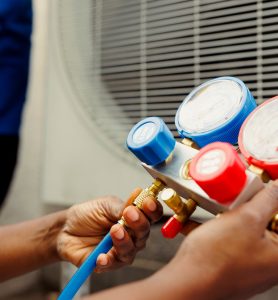
- Checking refrigerant levels and investigating leaks
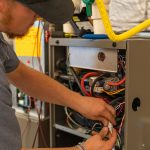
- Inspecting electrical connections, capacitors, contactors
- Cleaning coils, indoor and outdoor where applicable
- Checking blower performance and airflow
- Inspecting fan motors and bearings
- Confirming safe operation and system controls
- Checking temperature split and system performance under load
This is where a reliable vendor relationship matters. Instead of searching hvac services near me during peak season, property teams who schedule service early get priority and fewer surprises.
The Top 8 Preventive Fixes That Stop Repeat Emergency Calls
Here are the most common “emergency” issues that are usually preventable:
1) Weak capacitors
Capacitors often fail in extreme heat, leading to no cooling or a system that won’t start. Replacing weak capacitors early is cheaper than a crisis call.
2) Dirty condenser coils
Outdoor coils clogged with dust and debris make the unit overheat and shut down. Cleaning coils improves efficiency and reduces shutdown risk.
3) Clogged drain lines
Drain issues create leaks and often trigger urgent calls. Routine flushing prevents most of them.
4) Dirty evaporator coils
When indoor coils get dirty, cooling performance drops, and freezing becomes more likely. It also increases run time and energy usage.
5) Airflow restrictions
Blocked vents, closed registers, dirty filters, and duct issues all reduce airflow. Low airflow is one of the fastest paths to frozen coils and complaints.
6) Loose electrical connections
Small electrical problems become intermittent failures, and intermittent failures always turn into emergency calls because they are unpredictable.
7) Refrigerant leaks or low charge
Low refrigerant reduces cooling capacity and can damage the compressor. A leak check during tune-ups prevents bigger failures later.
8) Fan motor and blower wear
Noises, vibration, and inconsistent airflow often signal a motor issue. Catch it early and you avoid a mid-summer breakdown.
Tenant Communication That Cuts Calls Immediately
Many urgent calls are caused by confusion, not actual failures. A simple tenant HVAC guide reduces tickets and protects your equipment.
Give tenants these basic rules:
- Keep vents open and clear
- Replace filters on schedule, or request replacements
- Do not set the thermostat extremely low, it won’t cool faster and it strains the system
- Report water leaks immediately
- If there is a burning smell, shut off the system and request emergency hvac services right away
- If airflow is very weak or the unit is making loud noises, stop running it and report it
This makes your maintenance process smoother and reduces panic calls.
When to Plan Replacement Instead of Endless Repairs
Preventive maintenance reduces emergencies, but it doesn’t make old systems young again. If you’re seeing repeat failures, poor efficiency, or constant comfort complaints, you need a replacement plan.
Consider replacement when:
- Repairs are happening multiple times per year
- Cooling performance is consistently weak even after servicing
- The unit has major component failures like compressor issues
- The system is undersized for the space, causing constant run time
- Tenant complaints never stop, even after repairs
Planned hvac installation services allow you to replace units on your schedule, not in the middle of a heat wave. Planned installs also reduce tenant disruption because you can coordinate access and timing properly.
Building a Reliable Vendor Relationship
The fastest way to reduce downtime is not calling a random technician at the last minute. It’s having a consistent vendor who knows your properties and your expectations.
A good vendor relationship means:
- Priority scheduling for tune-ups and urgent calls
- Consistent documentation per unit
- Predictable maintenance routines
- Clear pricing structures for common repairs
- Better planning for hvac installation services when a unit is reaching end-of-life
It also reduces the time you spend calling around every time a tenant says, “My AC isn’t working.”
Bonus, For HVAC Contractors Serving Property Managers
If you’re an HVAC company targeting landlords and property managers, educational content like this brings high-intent leads. Many property managers start with a quick search like hvac services near me, then choose whoever looks most reliable.
That’s why contractors often invest in hvac seo services and hvac digital marketing services, so they appear in local search results, build trust online, and win contracts before the emergency happens.
Final Takeaway
Preventive HVAC maintenance is one of the simplest systems landlords and property managers can implement to reduce emergency calls. Standardize filters, schedule quarterly drain checks, run professional tune-ups twice per year, and plan replacements early. When you do that, you cut downtime, reduce after-hours stress, and keep tenants comfortable through LA heat.
If you want, I can also convert this into a guest-post version with a stronger hook, a maintenance checklist table, and a short property-manager FAQ section.