

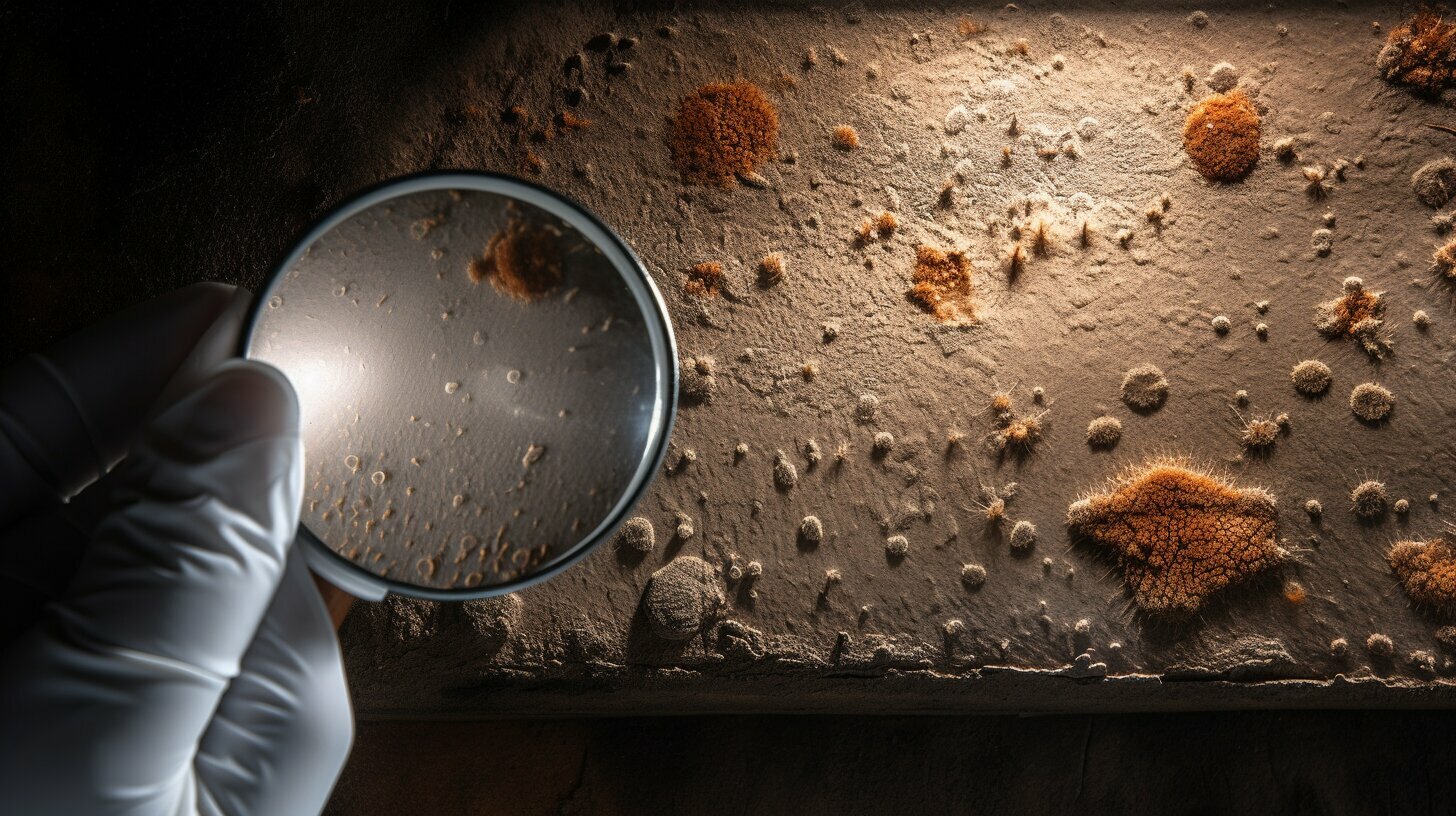
Mold is one of those home intruders that doesn’t kick down your front door or rattle your windows. It seeps in quietly, spreads invisibly, and settles into your walls, ceilings, and vents without a whisper. And by the time you notice the musty odor or mysterious spots near your baseboards, the damage might already be done. Mold isn’t just an aesthetic nuisance; it’s a serious risk to your property and your health. Whether you’re a homeowner or a commercial property manager, knowing how to detect and remove mold early can save you time, money, and plenty of headaches. That’s where professional inspections come in, as The San Diego Inspectors Company has demonstrated time and again, a comprehensive inspection is your first and best line of defense.
What Exactly Is Mold, and Why Should You Care?
Mold is a type of fungus that thrives in moist environments. While it occurs naturally in the environment, problems arise when it grows indoors. Homes and buildings with leaky roofs, plumbing issues, high humidity, or poor ventilation become prime real estate for mold spores looking to multiply.
The scary part? Mold can start growing in just 24 to 48 hours under the right conditions. Once it begins, it spreads rapidly, attaching to materials like drywall, wood, and carpet. You may not see the full extent of the infestation until structural damage or health issues arise.
While black mold gets the most media attention, other types, like Penicillium and Aspergillus, can be just as harmful, especially for people with allergies, asthma, or weakened immune systems. If someone in your household is suddenly experiencing chronic coughing, sneezing, eye irritation, or headaches with no clear cause, mold could be the culprit.
How the Pros Spot What You Can’t See
One of the trickiest parts about mold? It often hides in places you can’t easily reach. That’s why professionals use advanced tools and methods to detect what the naked eye misses.
Thermal imaging cameras can identify moisture buildup behind walls, while hygrometers measure humidity levels in different areas of a property. Air sampling tests are another go-to; these analyze spore counts and types to determine if mold is present, even if it’s not yet visible.
But here’s the thing: not all mold inspectors are created equal. Some might offer a basic walk-through, but comprehensive inspections dig deeper into crawlspaces, attics, ductwork, and basements. This is what makes specialists like http://riskfreeserv.com invaluable. Their team doesn’t just look for mold; they assess the cause, the spread, and what it’ll take to stop it in its tracks.

Health Matters: What Mold Can Do to You
It’s easy to dismiss mold as just a cosmetic problem. After all, how much harm can a few fuzzy black spots on a bathroom ceiling do? Quite a lot, it turns out.
Short-term mold exposure can cause mild symptoms like sneezing, coughing, and skin irritation. But prolonged exposure, especially in people with pre-existing conditions, can lead to chronic respiratory problems, fatigue, sinus congestion, and even neurological symptoms like memory loss or difficulty concentrating.
Children, the elderly, and anyone with autoimmune disorders are particularly vulnerable. In some documented cases, long-term mold exposure has even been linked to serious lung infections and exacerbated asthma in kids. This isn’t just about keeping your house clean; it’s about protecting your family’s health on a fundamental level.
What the Remediation Process Looks Like
If an inspection confirms a mold issue, don’t panic, but don’t delay either. The remediation process isn’t a one-size-fits-all solution; it’s tailored to the size and severity of the contamination.
It typically starts with containment. Using barriers and negative air pressure, professionals isolate the affected area to prevent spores from spreading during cleanup. Then comes the removal phase, damaged materials like drywall, insulation, or carpeting may need to be discarded entirely. Industrial-grade HEPA vacuums and air scrubbers are used to clean surfaces and purify the air.
But remediation isn’t just about removing visible mold. It’s also about addressing the source, fixing leaks, improving ventilation, or dehumidifying the space to ensure mold doesn’t make a comeback. The best remediation teams leave your property not just clean, but fortified against future growth.
Prevention Is Better Than a Pricey Cure
Mold thrives on inattention. The longer it’s left undetected, the more damage it can do, both to your home and your wallet. That’s why prevention should be part of your regular maintenance routine, not something you only think about when there’s a visible problem.
Start by keeping humidity levels below 50%. Invest in dehumidifiers for damp areas like basements and bathrooms. Fix leaks as soon as they occur, and make sure your home has proper ventilation, especially in areas where steam and moisture are common, like kitchens and laundry rooms.
You should also schedule periodic inspections, especially if you live in an area prone to humidity or flooding. Remember, early detection isn’t just smart, it can save you thousands in repairs.
Don’t Wait Until It’s Too Late
Mold is a persistent problem that can’t be ignored or postponed. It’s a living organism that consumes your home’s structure and can even affect your health. While small visible patches might seem manageable, they often hide a larger, unseen issue.
For these reasons, professional mold inspection and remediation are crucial. Engaging experts ensures your health, protects your property’s value, and provides peace of mind.
Don’t hesitate to rely on professionals equipped with the right tools, training, and experience. A comprehensive inspection now can prevent significant problems later.
