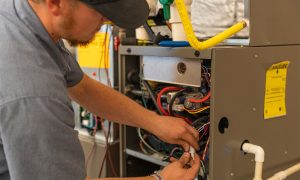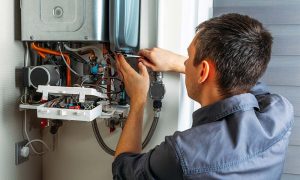

When a furnace begins to struggle, homeowners are often faced with a difficult decision: should the system be repaired, or is it time to replace it entirely? This question becomes even more pressing during winter, when reliable heat is essential and downtime can quickly turn into a serious problem. Understanding when furnace repair makes sense-and when replacement is the smarter long-term choice-helps homeowners avoid unnecessary expenses while ensuring comfort and safety through the cold season.
The right decision depends on several factors, including the age of the furnace, the nature of the problem, and how the system has performed over time. Taking a measured, informed approach prevents rushed decisions driven by stress or misinformation.
Why Age Matters More Than Many Homeowners Realize
The age of a furnace is one of the strongest indicators of whether repair or replacement is the better option. Most furnaces are designed to last between 15 and 20 years with proper maintenance. As a system approaches or exceeds this range, the likelihood of repeated breakdowns increases.
Older furnaces may still be repairable, but the frequency and cost of repairs often rise over time. In these cases, furnace repair can provide short-term relief but may not address the underlying decline in reliability. Understanding the realistic lifespan of the system helps frame the decision more clearly.
The Nature of the Problem Makes a Big Difference
Not all furnace issues carry the same weight. Minor problems such as faulty sensors, ignition issues, or airflow restrictions are often resolved effectively with targeted repairs. These types of issues typically do not justify replacement, especially if the furnace is otherwise in good condition.
More serious problems, such as a cracked heat exchanger or widespread component failure, require careful evaluation. These issues often affect safety and efficiency, making replacement a more practical option. A professional assessment is critical in determining whether furnace repair will truly restore dependable operation.
Repair Frequency Is a Key Warning Sign
A furnace that requires frequent repairs is often signalling that it is nearing the end of its useful life. While individual repairs may seem manageable, the cumulative cost and inconvenience can quickly add up.
If furnace repair becomes a recurring expense rather than an occasional necessity, replacement may offer better long-term value. Evaluating repair history provides insight into whether the system is stabilizing or continuing to decline.
Energy Efficiency and Operating Costs
As furnaces age, efficiency tends to decrease. Components wear down, combustion becomes less precise, and airflow suffers. These changes lead to higher energy consumption and rising utility bills, even if the furnace is still producing heat.
Furnace repair can restore some efficiency, but it cannot fully compensate for outdated technology or design limitations. When operating costs continue to rise despite repairs, replacement may offer meaningful savings over time.
Comfort and Performance Considerations
Beyond cost, comfort plays an important role in the repair-versus-replacement decision. Older furnaces often struggle to maintain consistent temperatures, resulting in uneven heating and longer runtimes.
If comfort issues persist despite furnace repair, it may indicate that the system can no longer meet the demands of the home. Replacement offers the opportunity to improve comfort, reliability, and overall performance.
Safety Should Never Be Compromised
Certain furnace issues directly affect safety, particularly those involving combustion or heat exchangers. In these cases, repair may not be advisable if it cannot fully mitigate the risk.
Professional technicians prioritize safety when recommending furnace repair or replacement. Homeowners should view safety-related recommendations as essential guidance rather than optional advice.
Considering Timing and Long-Term Plans
Homeowners should also consider how long they plan to remain in the home. If the furnace is nearing the end of its lifespan and long-term occupancy is expected, replacement may provide greater peace of mind and predictable performance.
Conversely, if the furnace is relatively new and the issue is isolated, furnace repair is often the most sensible choice. Aligning the decision with long-term plans ensures the investment makes sense beyond the current heating season.
Why Professional Guidance Is Essential
The repair-versus-replacement decision is rarely straightforward. Professional assessment provides clarity by evaluating system condition, repair viability, and long-term implications.
Rather than defaulting to one option, a qualified technician can explain how furnace repair compares to replacement in the context of your specific system. This guidance helps homeowners make confident, informed decisions.
Making the Right Choice for Your Home
Choosing between furnace repair and replacement requires balancing cost, reliability, efficiency, and safety. There is no universal answer, only the option that best fits the system’s condition and the homeowner’s priorities.
By understanding how age, repair history, performance, and safety interact, homeowners can move forward with confidence. Whether the solution is furnace repair or replacement, the goal remains the same: reliable heat, manageable costs, and peace of mind throughout the winter.