




The construction industry includes a wide range of services that contribute to housing development and infrastructure. Among these services, residential home building and concrete construction play essential but distinct roles. Residential construction focuses on creating livable spaces, while concrete services support both structural and functional elements of properties. Understanding how these services operate provides insight into how homes and surrounding surfaces are planned, built, and maintained.
Residential Home Construction
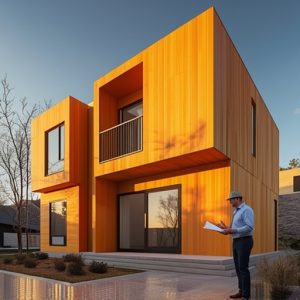
Residential home construction involves the planning, design, and building of houses for individuals and families. This process typically begins with land evaluation, zoning review, and architectural planning. Builders work within local building codes and regulations to ensure that homes meet safety, structural, and energy efficiency standards.
Home designs often include a range of floor plans, such as single-story and multi-story layouts. These plans differ in square footage, room arrangement, and architectural style. Floor plan selection is an important early step, as it determines how space will be used and how the structure will interact with the lot.
Construction Phases in Home Building
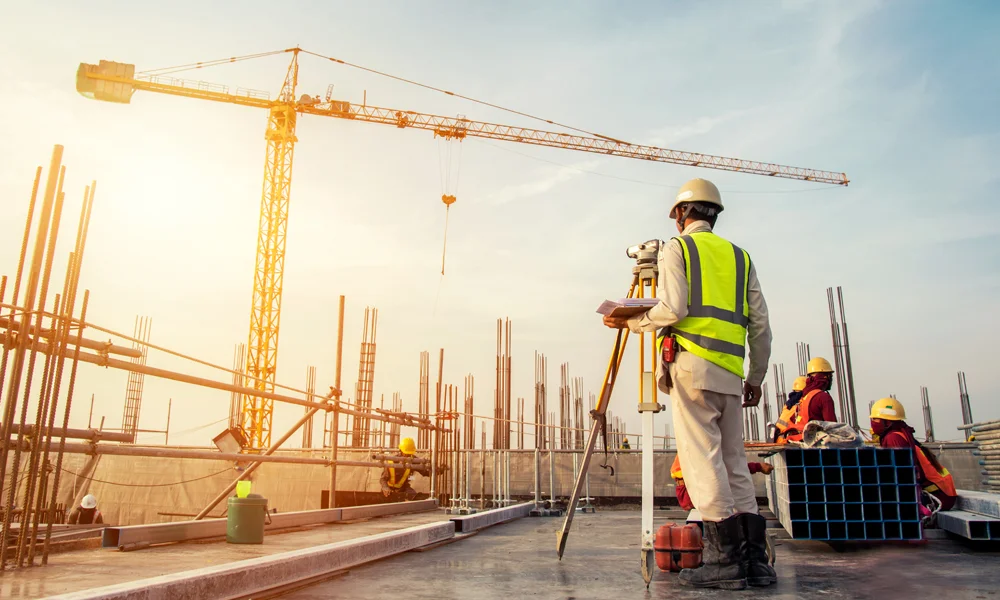
The homebuilding process follows a series of structured phases. Site preparation involves clearing, grading, and preparing the land for construction. Once the site is ready, foundation work begins, typically using concrete footings and slabs to provide structural support.
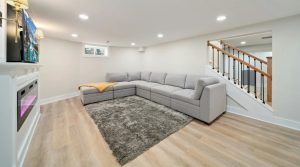
After the foundation cures, framing defines the shape of the house. Walls, floors, and roof systems are constructed using wood or engineered materials. Mechanical systems such as plumbing, electrical wiring, and heating and cooling are then installed. Insulation and drywall follow, preparing the interior for finishes such as flooring, cabinetry, and paint.
Each phase requires inspections to ensure compliance with building codes and safety standards.
Customization and Design Considerations
Many residential construction projects include customization options. Homeowners may select interior finishes, cabinetry styles, flooring materials, or exterior design elements. These choices allow homes to reflect personal preferences while still adhering to structural requirements.
Customization also extends to functional considerations, such as energy efficiency, storage needs, and accessibility. Decisions made during the planning stage influence long-term comfort, maintenance, and operating costs.
Community-Based Housing Development
Residential construction often occurs within planned communities. In these settings, multiple homes are built according to coordinated design guidelines. This approach allows for consistent infrastructure planning, including roads, sidewalks, utilities, and drainage systems.
Some homes are constructed as move-in ready units, meaning they are completed before a buyer is identified. These homes follow predetermined designs and specifications and are available for immediate occupancy.
Concrete Construction and Flatwork Services
Concrete construction focuses on creating durable surfaces and structural elements using cement-based materials. Flatwork refers specifically to horizontal concrete surfaces such as driveways, sidewalks, patios, floors, and steps. These surfaces support daily use and must be designed to withstand weather, weight, and long-term wear.
Concrete work begins with site preparation, including excavation and soil compaction. Proper base preparation is critical to prevent settling and cracking over time.
Applications in Residential and Commercial Settings
Concrete flatwork is used in both residential and commercial environments. In residential settings, concrete driveways and patios provide functional access and outdoor living space. In commercial areas, flatwork may include parking areas, walkways, and loading zones designed to support higher traffic volumes and heavier loads.
Each application requires specific thickness, reinforcement, and finishing techniques based on usage and environmental conditions.
Concrete Placement and Finishing Process
The concrete installation process includes forming, reinforcement placement, pouring, and finishing. Forms shape the concrete and define edges, while reinforcement such as rebar or wire mesh adds strength. Once poured, the surface is leveled and finished using techniques that determine texture and appearance.
Curing is a critical final step that allows concrete to achieve its intended strength. Proper curing involves maintaining moisture and temperature conditions over a specified period.
Environmental and Climate Considerations
Both residential construction and concrete work must account for local climate conditions. Temperature fluctuations, moisture levels, and soil composition influence material selection and construction timing. In colder climates, freeze-thaw cycles require additional measures to protect concrete surfaces and foundations.
Home Builders and contractors adapt construction methods to address these environmental factors and improve long-term performance.
Regulatory and Quality Standards
Construction activities are governed by building codes, zoning laws, and safety regulations. These standards ensure structural integrity, occupant safety, and environmental responsibility. Inspections occur at various stages to verify compliance before construction can proceed to the next phase.
Quality control practices help reduce defects and extend the lifespan of buildings and concrete surfaces.
Conclusion
Residential construction and concrete services are interconnected components of the built environment. Homes provide living spaces, while concrete surfaces support access, stability, and daily functionality. Although these services differ in scope and specialization, both require careful planning, skilled execution, and adherence to regulatory standards.
Understanding how these construction disciplines operate offers insight into the processes that shape neighborhoods and infrastructure, highlighting the technical coordination involved in creating safe and durable built spaces.