



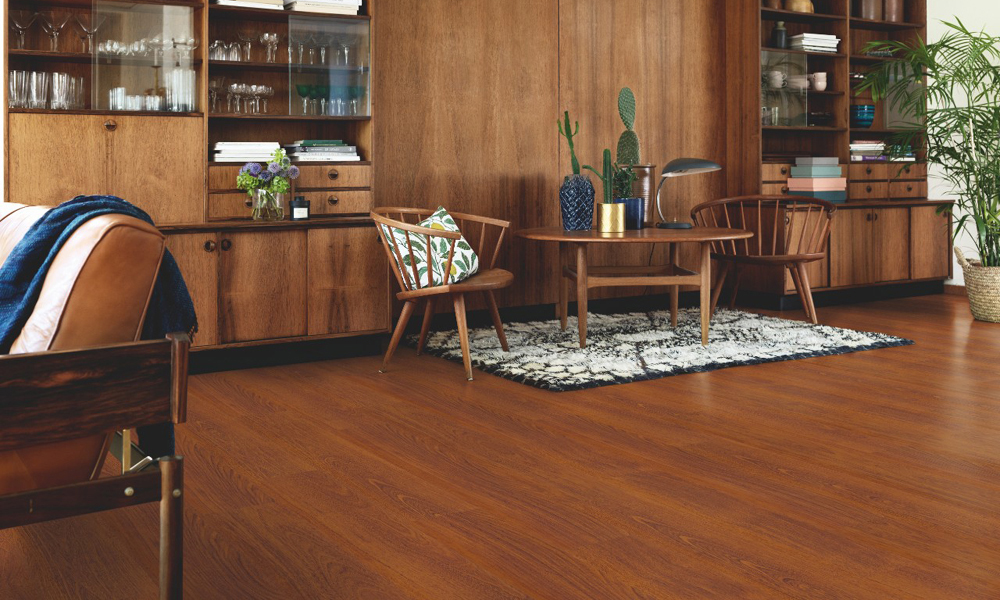
floor skirting also known as baseboard or base molding, is a type of trim that is installed along the bottom edge of walls to cover the gap between the floor and the wall. It serves both a decorative and a functional purpose, as it can be used to add a finished look to a room and to protect the walls from damage caused by furniture or foot traffic.
There are several types of floor skirting available, including:
MDF Skirting: Made from medium-density Floor , MDF skirting is a cost-effective and versatile option. It can be painted or stained to match any decor and is easy to install.
Pine Skirting: Pine skirting is a popular choice for traditional or rustic-style homes. It is made from solid pine wood and can be stained or painted to match any decor.
Oak Skirting: Oak skirting is a durable and elegant option. It is made from solid oak wood and can be stained or painted to match any decor.
PVC Skirting: PVC skirting is a durable and low-maintenance option. It is made from plastic and can be easily cleaned with a damp cloth.
Aluminum Skirting: Aluminum skirting is a durable, low-maintenance, and easy-to-install option. It can be painted or anodized to match any decor and is resistant to moisture and fire.
Floor Skirting Mistakes
Not measuring the space correctly before purchasing skirting: This can lead to skirting that is either too long or too short.
Not considering the style of the room: Skirting that does not match the aesthetic of the room can be jarring and out of place.
Not taking into account the height of the room: Skirting that is too tall or too short can look odd and unbalanced.
Not using the correct tools for installation: Using the wrong tools can make installation difficult and can damage the skirting or the floor.
Not allowing for expansion and contraction: Skirting that is not installed with enough room for expansion and contraction can warp or become damaged over time.
Not maintaining the skirting: Skirting that is not cleaned or maintained can become damaged or stained, making it less attractive and less effective.
Things You Must Know About Floor Skirting
Some important things to know about floor skirting include:
It is typically made of wood, but can also be made of other materials such as MDF, PVC, and metal.
It can be painted or stained to match the color of the wall or floor.
It can be used to hide uneven floors or walls or to cover up any gaps between the wall and the floor.
It can also be used to protect walls from damage caused by vacuuming or sweeping.
It is typically installed using nails or adhesive.
It is easy to install and can be done by a DIY enthusiast or a professional.
It is easy to replace if it becomes damaged or if you want to change the look of your room.
Some building codes require floor skirting in certain areas such as commercial buildings, or in areas that have a high fire hazard.