
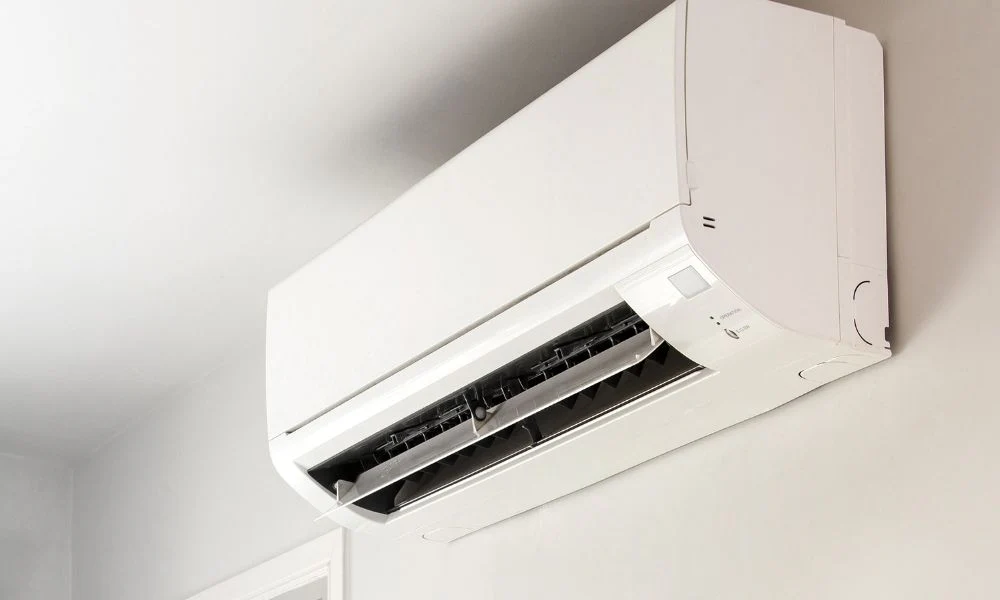
Choosing the correct size air conditioner for your home is essential for maintaining comfort, energy efficiency, and long-term system performance. Many homeowners believe that installing the largest possible system will cool their home faster, but that approach can actually create more problems than benefits. Proper sizing ensures your system operates efficiently and keeps your home consistently comfortable during the hottest months of the year.
Air conditioner size is measured in BTUs (British Thermal Units) or tons of cooling capacity. One ton equals approximately 12,000 BTUs of cooling power per hour. The size of the system determines how much heat it can remove from your home within a certain amount of time. If the system is too small, it will struggle to cool the house properly. If it is too large, it may cool the air too quickly and shut off before removing enough humidity from the indoor air.
Problems with an Undersized Air Conditioner
An air conditioner that is too small for your home will run almost constantly while trying to keep up with the temperature demands. Even with continuous operation, it may never fully cool your home during extremely hot days. This can lead to uneven temperatures throughout the house and higher energy bills because the system is working harder than it should.
Over time, the constant strain placed on the system can cause components to wear out faster, leading to more frequent repairs and a shorter lifespan.
Problems with an Oversized Air Conditioner
While it may seem beneficial to install a larger system, an oversized air conditioner can also create several issues. Large systems cool the air very quickly, which causes them to shut off before completing a full cooling cycle. This process is known as short cycling.
Short cycling prevents the system from properly removing humidity from the air, which can make your home feel damp and uncomfortable. It also increases wear and tear on the system and can lead to higher energy consumption.
Factors That Determine the Right AC Size
Choosing the right air conditioner size involves more than simply measuring the square footage of your home. HVAC professionals evaluate several factors to determine the correct cooling capacity.
Some of the most important factors include:
- Total square footage of the home
- Ceiling height
- Number and size of windows
- Quality of insulation
- Sun exposure throughout the day
- Number of occupants
- Local climate conditions
Homes located in hotter regions generally require systems with greater cooling capacity compared to homes in cooler climates.
Manual Load Calculations
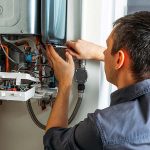
Professional HVAC technicians typically perform what is known as a Manual J load calculation to determine the correct air conditioner size. This process evaluates how heat enters and moves through your home, including factors such as walls, windows, roofing materials, and airflow.
By performing this calculation, technicians can recommend a system that matches your home’s exact cooling needs. Companies like Clear the Air use these industry-standard methods to ensure homeowners receive the correct system size rather than relying on estimates.
Getting the Right System for Your Home
Installing the correct air conditioner size is one of the most important steps in achieving efficient and reliable cooling. When a system is properly sized, it will cool your home evenly, control humidity effectively, and operate more efficiently. Consulting with experienced professionals such as Clear the Air helps ensure your new air conditioner is correctly sized and installed so your home stays comfortable even during the hottest days of summer.