



Construction and industrial sites depend on more than tools and materials to stay productive. The comfort and hygiene of workers play a major role in maintaining morale, efficiency, and safety. Access to clean facilities, shade, hydration, and rest areas are no longer optional; they are key components of a well-managed site.
Below are practical ways to enhance comfort and hygiene across worksites, helping teams stay healthy and focused throughout the day.
Why Comfort and Hygiene Impact Worksite Productivity
Workers who feel safe and cared for tend to perform better and take fewer sick days. A study by Safe Work Australia found that improved site facilities lead to higher worker satisfaction and fewer health-related absences. When hygiene standards drop, so does morale. Dust, heat, and long shifts can quickly create poor working conditions if sanitation is neglected.
Providing essentials like handwashing stations, shade areas, and well-maintained toilets keeps workers healthy and minimizes downtime.
Setting Up Essential Facilities for Worksites
Every worksite whether urban construction, mining, or infrastructure requires a mix of comfort-focused setups. The following essentials should be part of any site plan.
1. Clean and Reliable Portable Toilets
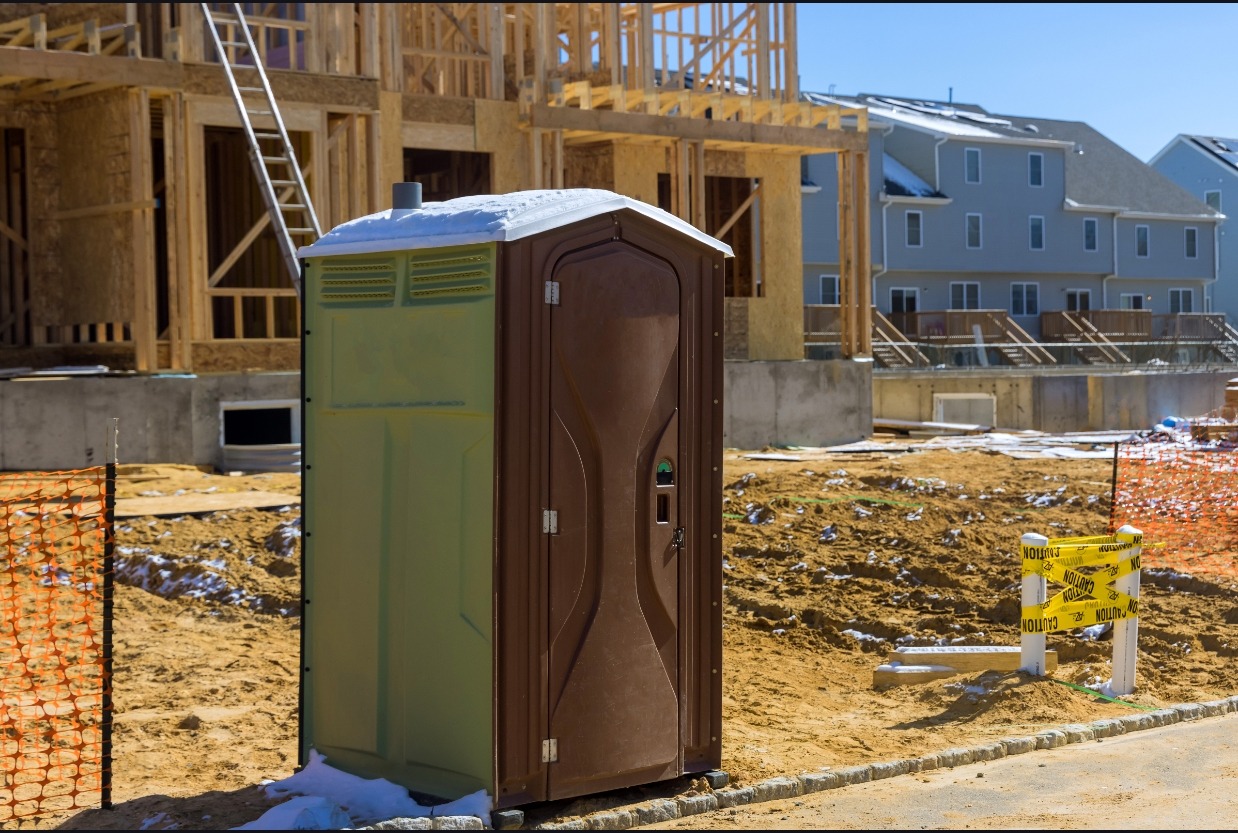
One of the most basic but overlooked needs is access to clean, private, and durable restroom facilities. A high-quality portable toilet offers workers convenience while reducing hygiene risks. Modern units now include ventilation systems, foot-operated flush mechanisms, and hand sanitizers to ensure safety even in remote environments.
When selecting one, consider features such as capacity, ease of cleaning, and ventilation key details discussed in this guide on worksite toilets from Instant Toilets & Showers. It outlines how small differences in design can make a major impact on cleanliness and usability.
2. Handwashing and Sanitizing Stations
Frequent handwashing reduces the spread of bacteria and illness. Portable handwash units with running water, soap, and paper towels should be placed near rest areas, eating zones, and restrooms. For larger sites, it’s smart to include multiple units across zones to avoid congestion.
3. Sheltered Rest Zones
Fatigue increases the likelihood of mistakes and injuries. Shaded rest zones with seating areas allow workers to cool off, rehydrate, and regain energy. A basic setup with canopy tents, benches, and misting fans can significantly reduce heat-related stress.
4. Waste Management Solutions
Efficient waste disposal keeps worksites sanitary. Bins for general and hazardous waste should be strategically placed and emptied regularly. This not only improves hygiene but also aligns with environmental compliance standards.
5. Hydration Stations
Dehydration can lead to dizziness, fatigue, and reduced focus. Worksites should provide multiple water refill points. For remote areas, self-contained hydration stations are a cost-effective solution.
How Temperature and Climate Affect Worksite Hygiene
Australia’s warm climate can turn a clean worksite into a breeding ground for bacteria if waste and sanitation systems aren’t managed correctly. In summer months, high humidity accelerates odor and bacterial growth in toilets and waste bins.
Portable toilet suppliers often recommend more frequent servicing during this period typically twice a week to maintain hygiene.
Cold weather, on the other hand, can cause water supply lines in temporary wash units to freeze if not insulated properly.
Understanding your climate conditions helps determine cleaning schedules and the type of sanitation equipment required.
Hygiene Standards and Worker Health Regulations
According to Safe Work Australia’s Managing the Work Environment and Facilities Code of Practice, employers must provide accessible, hygienic, and well-maintained amenities for workers.
These requirements include:
- At least one toilet for every 20 workers (with gender separation where possible)
- Handwashing stations with soap and drying facilities
- Clean drinking water within reach of all workers
- Shelter and seating for rest breaks
Failing to meet these standards can result in compliance penalties, but more importantly, it can endanger the health of workers. Sites that go beyond compliance tend to have lower turnover and better reputation with contractors and clients.
Reducing Odor and Bacteria on Worksites
Unpleasant odors from waste areas or toilets can lower morale and attract pests. Here are proven ways to maintain cleanliness:
- Use chemical additives in toilet tanks to neutralize odor and break down waste.
- Schedule regular cleaning with high-pressure wash and disinfectant solutions.
- Ensure proper ventilation in enclosed spaces, especially for long-term work zones.
- Train workers to report any facility issues immediately.
Modern portable toilets come with sealing mechanisms and antimicrobial coatings that limit bacteria growth. Regular servicing ensures these features continue working effectively.
Eco-Friendly Worksite Hygiene Practices
Sustainability is becoming a priority even in heavy industries. Eco-friendly site management not only reduces environmental impact but also appeals to clients and regulators. Some green hygiene initiatives include:
- Composting portable toilets that use no chemicals or water, ideal for remote eco-projects.
- Recycled paper towels and biodegradable soaps in wash areas.
- Solar-powered lighting for nighttime use around sanitation zones.
- Water-saving handwash units that recycle gray water for flushing.
These solutions cut down on water waste and reduce overall site costs while maintaining cleanliness standards.
Common Mistakes That Hurt Worksite Hygiene
Even with good intentions, worksites often make simple mistakes that undermine hygiene efforts:
1. Undersupplying facilities. If there aren’t enough toilets or sinks for the workforce size, lines form and sanitation drops.
2. Skipping maintenance schedules. Weekly cleaning is often insufficient for large crews.
3. Poor placement of facilities. Toilets placed too far from active areas discourage use and increase accidents.
4. Ignoring worker feedback. Operators are often the first to notice overflowing tanks or broken parts.
A proactive facilities management plan should track cleaning schedules, usage rates, and supplier performance to keep everything running smoothly.
Building Worker Culture Around Hygiene
Facilities alone don’t guarantee hygiene. The culture of care and responsibility makes the difference. Supervisors can encourage compliance by:
- Including hygiene checks in daily toolbox meetings
- Rewarding clean teams or zones
- Displaying signage that reminds workers about handwashing and proper disposal
- Conducting regular inspections to reinforce habits
When hygiene becomes part of the workday routine, workers naturally take more pride in maintaining their environment.
Choosing the Right Supplier for Worksite Amenities
Selecting a reliable supplier is as important as the equipment itself. Look for partners who provide:
- Flexible delivery and servicing schedules
- On-site setup and support
- High-quality, durable units with proven hygiene features
- Compliance with Australian safety and sanitation standards
Suppliers like Instant Toilets & Showers specialize in temporary sanitation for construction and event sites, offering tailored solutions to suit different project scales. Their servicing teams handle cleaning, waste removal, and supply restocking helping site managers focus on core operations without interruptions.
Smart Planning Tips for New Worksites
Before a project begins, include sanitation planning in your logistics checklist. Key steps include:
1. Estimate worker numbers and shift patterns.
2. Calculate facility requirements based on occupancy and regulations.
3. Map facility placement near key work zones but away from eating areas.
4. Schedule regular cleaning intervals and assign accountability.
5. Communicate usage policies during site inductions.
Doing this upfront avoids hygiene problems later and ensures the site remains safe from day one.
The Future of Worksite Hygiene and Comfort
Technology is reshaping how sanitation is managed. Smart monitoring systems now track fill levels, water use, and service frequency using sensors.
Some advanced portable toilet units send alerts when tanks reach capacity, helping suppliers plan timely servicing without manual checks. These innovations save time, reduce waste, and improve worker satisfaction.
As worksites grow larger and more complex, adopting these technologies will become standard practice for efficient facility management.
Final Insight
A well-planned hygiene setup improves worker health, boosts morale, and supports compliance. Portable sanitation and comfort facilities may seem secondary to construction output, but their impact on safety and productivity is undeniable. Investing in quality equipment and consistent upkeep ensures every workday runs smoother and every worker feels valued.